Blog

Welcome to the Offline.now Blog - your trusted resource for navigating digital detox and reclaiming balance.

Explore daily insights into managing phone stress, reducing screen time, curbing doomscrolling, and practical digital wellness strategies. Let our science-backed tips and expert advice empower you to build a healthy relationship with technology.
We often talk about screen time affecting mood and focus—but emerging research suggests it may also impact chronic inflammation. A University at Buffalo study found higher social media use predicted increased CRP, a key inflammation marker. Blending research with personal experience, this post explores how stress activation, poor sleep, and sedentary scrolling may affect the body—and shares practical, realistic steps to reduce digital stress and support long-term health.
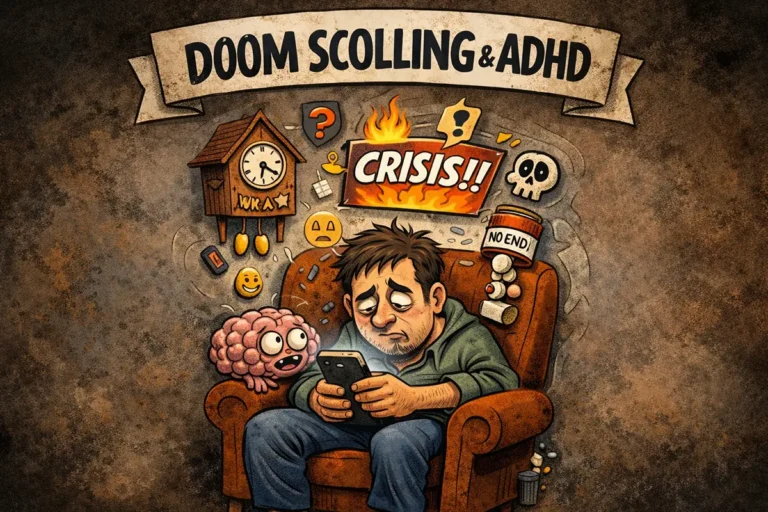
If you have ADHD, doom scrolling isn’t about laziness or poor discipline—it’s what happens when a novelty-seeking brain meets infinite scroll and threat-based content. This post breaks down why ADHD brains are especially vulnerable to doom scrolling, how anxiety can hijack attention, and why shame doesn’t work. Instead of “scroll less” advice, you’ll learn how to change the environment, add real stopping cues, and give your brain somewhere safe to land.
Are Snapchat and TikTok actually dangerous for teens? The real risk isn’t the apps themselves—it’s how they blur privacy, permanence, and performance in ways adolescent brains aren’t equipped to manage. Drawing on clinical work and lived parenting experience, this post explains how online harm often unfolds, why shame makes safety worse, and how families can use practical, non-judgmental tools to help teens protect their agency, make safer choices, and ask for help before mistakes become permanent.
Most of us want change without discomfort, yet friction is often the first sign that something new is beginning. This post explores what it truly means to be “change ready,” why mindset matters more than willpower, and how resistance signals growth rather than failure. By shifting your internal narrative and reclaiming a sense of agency, you can move out of old patterns and toward meaningful, sustainable change—even in a world designed to keep you comfortable and distracted.
Even with constant contact, many of us still feel alone. Digital messages keep us informed, but they don’t always make us feel known. This post explores why digital closeness can’t replace real intimacy—and how passive scrolling, texting, and divided attention quietly erode connection. Learn the difference between “warm” and “cold” interactions, why presence matters more than frequency, and three simple rituals to turn everyday communication into deeper, more satisfying relationships.
Late-night symptom searching often starts with reassurance and ends in panic. When uncertainty meets endless medical content, anxious brains fixate on worst-case explanations—a pattern known as cyberchondria. Fatigue, doomscrolling, and reduced self-control at night make the spiral worse, not better. This piece explains why “just Googling it” backfires and offers a gentle Pause and Ground approach to interrupt the loop, protect your nervous system, and regain calm without ignoring your health.
When emotions run high, texting can turn small misunderstandings into full-blown arguments. Without tone, body language, or real-time feedback, our brains fill in the gaps—often with stress and assumption. This post explores why texting arguments escalate so quickly and introduces a simple Pause and Redirect framework to reduce digital conflict. Learn how creating distance, checking in with your nervous system, and moving hard conversations off-screen can protect connection and restore calm.
Winter mornings often start with a phone, not the sun. While scrolling may feel like a wake-up ritual, blue light and reactive content can overstimulate your nervous system before the day begins. This post explores why swapping screens for real light, gentle movement, and sensory grounding can lift mood and restore calm. Learn how small morning shifts not rigid routines support winter wellness and sustainable digital balance.
Nights don’t unravel because you lack discipline, they unravel because your brain hasn’t had a clean transition out of the digital world. When screens stay on until sleep, your nervous system stays on, too. This 15-minute evening reset isn’t about rigid routines or perfection. It’s about creating a gentle boundary between stimulation and rest—so your body can exhale, your mind can settle, and sleep can actually do its job.
If you have ADHD, rest can feel strangely uncomfortable—even guilt-inducing. You may be exhausted, yet unable to stop, reaching for your phone instead of truly recharging. This isn’t laziness; it’s neurobiology. ADHD brains struggle to shift from “go mode” to rest, and digital scrolling often becomes a poor substitute for real recovery. This article reframes rest as a regulation strategy, offering gentle, science-backed recovery rituals for guilt-free downtime.
Mid-January can feel strangely flat once the holiday buzz fades. Motivation dips, scrolling increases, and life can feel muted—not because you’ve failed, but because your brain is recalibrating after a dopamine-rich season. This post explains the January slump through a nervous system lens and offers gentle, sensory resets that support mood and energy without willpower, pressure, or a forced “new year” overhaul.
A few weeks into the new year, motivation often fades and stress quietly takes its place. This post explores why traditional resolutions burn us out, how habit fatigue affects the nervous system, and why it’s not a discipline problem. With research-backed insights and a simple 48-hour reset approach, you’ll learn how to step off the pressure loop, regain clarity, and create sustainable change without forcing a “new you.”
Social media can connect, educate, and even support well-being, but only if you use it with intention. Without limits, the very tools that bring us closer can also fuel anxiety, overload, and self-doubt. The positive effects of social media are real, but they vanish when scrolling becomes compulsive. This guide shows you how to practice mindful digital use, curating your feed, setting boundaries, and staying self-aware so you can keep the benefits without slipping into the risks.

Every generation faces a wave of technology that sparks both excitement and fear. From television’s "zombie effect” warnings in the 1950s to today’s concerns over TikTok and infinite scroll, tech anxiety is hardly new. Yet while the platforms evolve, the core challenge remains: balancing connection with well-being. By tracing the history of media panics, we can see patterns that help us respond more wisely today: choosing mindful, sustainable digital habits rather than falling into cycles of fear or overuse.
Struggling to stay focused during study sessions? You’re not alone, distractions are everywhere, but the right sounds may help. Science shows that focus playlists, brown noise study music, and Pomodoro tracks can create a steady environment that sharpens concentration and prevents burnout. But not all audio works: podcasts, for example, often overload the brain. Learn how to test which sound strategy works best for you, and build a personalized audio routine that truly supports your productivity.
Digital wellness tools from screen-time apps to hybrid coaching platforms are reshaping how we manage focus, sleep, and mental health. While early evidence shows promise, questions remain about long-term impact, equity, and privacy. This review highlights what works, where risks lie, and why hybrid approaches offer the most balanced path forward. With clear research gaps and urgent policy needs, the future of healthy tech boundaries depends on evidence-driven action across academia, industry, and regulation.
Your online presence is part of your resume. Recruiters and employers often Google candidates before making decisions, and what they find can shape your opportunities. A digital footprint audit helps you clean up outdated content, secure old accounts, and showcase a professional image. This guide walks you through practical steps to search yourself, manage social media, and boost your online reputation, so your digital presence supports your career growth instead of holding you back.
Parenting today means navigating a world of instant communication, artificial intelligence, and constant fear. While overprotection aims to keep children safe, it often undermines resilience and independence. Setbacks, risks, and unstructured play are essential for growth, yet many kids miss these opportunities. From summer camps to screen-free family dinners, intentional choices help children build confidence, social skills, and emotional strength preparing them for life’s challenges while preserving the closeness modern families value.