Blog

Welcome to the Offline.now Blog - your trusted resource for navigating digital detox and reclaiming balance.

Explore daily insights into managing phone stress, reducing screen time, curbing doomscrolling, and practical digital wellness strategies. Let our science-backed tips and expert advice empower you to build a healthy relationship with technology.
After recovering from paralysis, Amanda Campbell noticed a pattern among burned-out leaders: they’d tried every strategy, yet their bodies still wouldn’t let them rest. This post explains why burnout isn’t a mindset problem, but a somatic one—and how the THRIVE program was designed to rebuild resilience by addressing the nervous system, stored stress, and the physical realities of digital overload, not just productivity habits.
Most New Year resolutions fail because they rely on motivation instead of systems. If you’re tired of the all-or-nothing cycle, there’s a better way. Tiny “If-Then” rules—like plugging in your phone across the room or delaying checks until a set time—turn vague intentions into automatic habits. These micro-steps build confidence, reduce overwhelm, and help you create realistic New Year resolutions that actually last. Change happens when your rules get smaller, not when your goals get bigger.
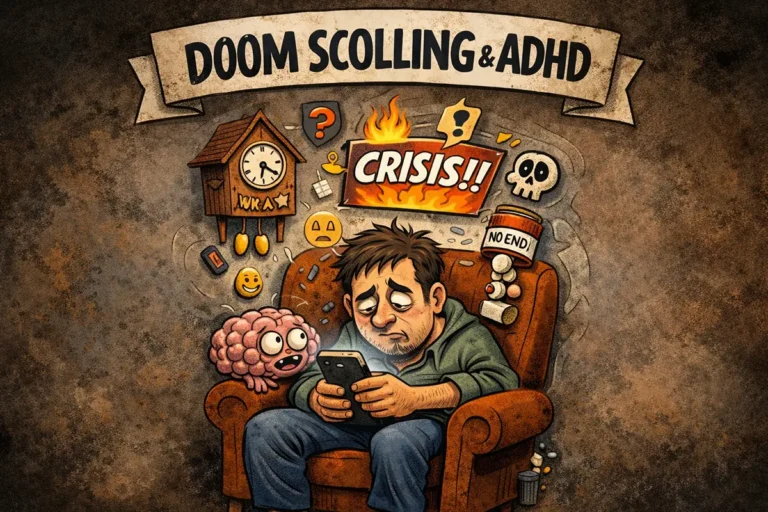
January planning can feel especially heavy if you have ADHD—big goals spark a burst of motivation, then quickly collapse into overwhelm and shame. This post reframes New Year planning through an ADHD-friendly lens, explaining why traditional resolutions fail and how tiny starts, visual rules, and time anchoring create momentum without pressure. Instead of chasing a “new you,” you’ll learn how to design systems that support your brain, reduce friction, and make progress feel possible again.
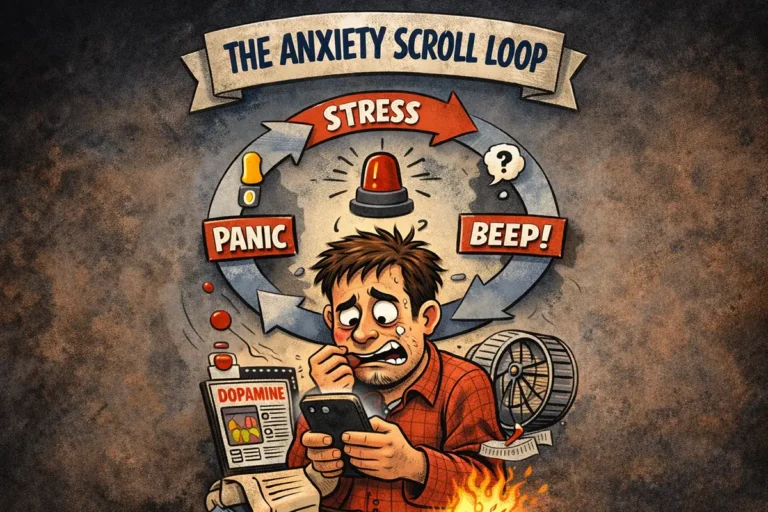
Many high performers implement digital boundaries perfectly, yet still feel anxious, restless, and unable to truly disconnect. This post explains why behavior change alone can feel like a constant battle, and how chronic nervous system activation drives compulsive phone use. Through a real client story, it shows how somatic work and the BAMBOO Method help the body feel safe offline, making digital wellness strategies sustainable rather than exhausting.
Winter can leave ADHD brains feeling “tired but wired”—exhausted, restless, and pulled toward constant stimulation. This post explains why shorter days, less movement, and more screen exposure intensify ADHD restlessness, and why it’s a nervous system response, not a discipline issue. With simple, regulating swaps like micro-movement, sensory anchors, and gentler evening light, you’ll learn how to clear the winter fog without spiraling into digital overload or self-blame.
Digital burnout isn’t just mental, it lives in the body. Drawing on kinesiology, this post reveals the physical and nervous system patterns behind compulsive screen use, from chronic fight-or-flight to energy depletion. It explains why willpower-based tech boundaries often fail and introduces the BAMBOO Method, a somatic approach to building flexible, sustainable resilience especially for neurodivergent, high-performing leaders navigating constant digital demand.
It can happen without conflict or intention: two people together, quietly pulled into separate screens. This post explores how phones can subtly interfere with connection in relationships, why it’s not about blame or addiction, and how patterns like partner phubbing affect emotional closeness. With gentle, realistic micro-swaps—no bans or ultimatums—you’ll learn how to restore presence, reduce resentment, and reconnect in small moments that actually fit real life.
If you have ADHD, procrastination isn’t a character flaw—it’s a nervous system response. This post breaks down why starting tasks can feel impossible, how emotion regulation and executive function play a role, and why willpower often fails. With practical, brain-friendly strategies like tiny starts and dopamine bridges, you’ll learn how to move from stuck to starting without shame. You don’t need more discipline. You need safer, kinder ways to begin.
Winter’s long, dark evenings can quietly pull us into hours of scrolling that leave us more tired, not less. This post explores why winter screen time hits differently, how dopamine, blue light, and sleep disruption play a role, and why it’s not a willpower issue. Most importantly, it offers gentle, realistic swaps no rigid rules that help you restore energy, improve mood, and find comfort that truly replenishes you during the colder months.
The first holiday after divorce doesn’t have to feel like a loss. In fact, mine turned out sweeter, calmer, and surprisingly joyful. By letting go of old expectations and creating simple new traditions with my kids, the season became ours again: cozy, meaningful, and enough. If you’re navigating this transition, you’re not alone. With a few gentle shifts, your holidays can feel lighter and more aligned with what truly matters. Let’s make them yours.
You may already be doing digital wellness work—ADHD and TikTok, couples fighting about phones, teens gaming late, burnout from constant notifications. Offline.now helps you turn these everyday client themes into a clear, searchable specialty. Join the first directory dedicated to tech-related mental health so clients can find you for the issues they’re already struggling with. Expand your visibility, articulate your niche, and connect with people who truly need your expertise.
If your evenings keep disappearing into binge-scrolling, streaming, or “just one more episode,” these three simple shifts can help you reclaim real downtime. From using app-based limits, to setting built-in screen boundaries, to filling the digital void with hobbies that genuinely energize you, this guide offers practical changes that actually stick. With bonus tips for navigating kids’ screen habits and emotional transitions, it’s a compassionate roadmap to calmer nights—and a life that finally feels like yours again.
Screens now soak up more than six and a half hours of our daily lives over seven for Americans and nearly nine for Gen Z. Our 2025 screen time report unpacks the fresh numbers, from smartphone saturation to the rise of “doomscroll fatigue,” and translates data into action. Learn how constant connection strains attention, sleep, and mood and test three mini-detox tactics, from app timers to “analog power hours,” to reclaim calm, clarity, and healthier digital habits.
Ever yanked out your phone after a phantom buzz only to find silence? That eerie misfire is phantom vibration syndrome - your brain’s sensorimotor wiring glitching after constant notifications. This post unpacks how prediction-error loops and dopamine-driven checking habits create phantom phone sensations, then delivers five coach-style micro-wins: relocate the device, switch vibration patterns, run a body-scan reset, schedule no-buzz blocks, and try a weekly bag-carry challenge. Quiet the “ghost buzz” and reclaim calm focus.
A digital-free vacation rewires how you travel. Swapping smartphones for simple paper maps and face-to-face chats lowers cortisol, lifts mood, and lets your senses register every sea breeze and street melody. This guide walks you through setting clear tech boundaries, choosing unplugged destinations, and packing analog backups like film cameras and guidebooks. With screen-free travel tips for families and solo adventurers alike, you’ll return home rested, re-connected, and rich with real memories worth sharing offline.
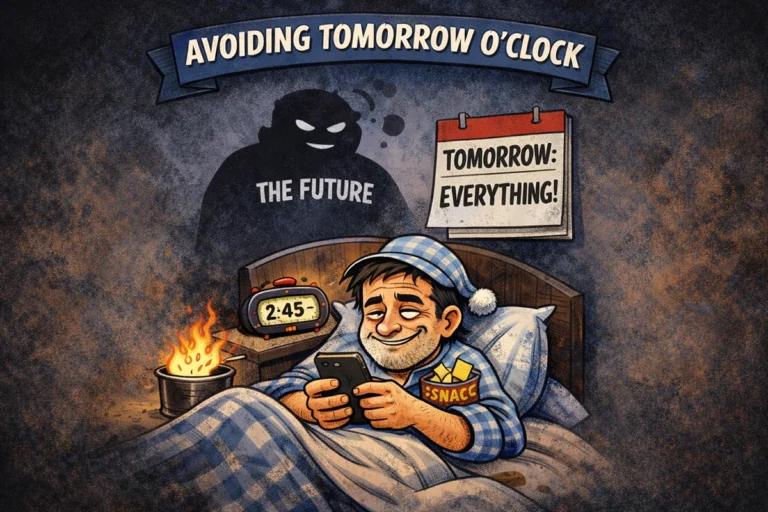
Still sleep with your phone in the room? That glowing rectangle floods your brain with blue light, suppresses melatonin, and tempts night-owls into 2 a.m. doomscrolls. Research says simply parking the device eight feet away can restore circadian rhythms, reduce anxiety, and deepen REM sleep. Our quick guide unpacks the science, shares stylish bedside-free alarm options, and offers micro-wins like a 30-minute pre-bed swap to help you wake clearer, calmer, and ready for real-world focus every day.
Mindless thumb-flicking and endless bad-news binges aren’t the same digital trap. Zombie scrolling is that detached, trance-like drift through random feeds, slowly draining attention. Doomscrolling is a negativity loop, chasing alarming headlines that spike anxiety. Our post unpacks the science behind both habits, shows why motivation and confidence matter, and offers quadrant-specific micro-wins - from timer tricks to values resets - to help night owl professionals reclaim focus, mood, and sustained energy daily without deleting your favorite social apps entirely.
Autoplay’s countdown makes “just one more” the default. To limit binge watching without losing the fun, pre-decide an episode cap, disable autoplay, and pair the end of each session with an offline reward (tea, journaling, stretch). Stand up at every credit roll and ask, “Am I still watching by choice?” Host short watch-parties for social benefit, and keep the day’s first/last 30 minutes screen-free. These tiny, evidence-backed tweaks transform marathon nights into mindful, guilt-free streaming.