Blog

Welcome to the Offline.now Blog - your trusted resource for navigating digital detox and reclaiming balance.

Explore daily insights into managing phone stress, reducing screen time, curbing doomscrolling, and practical digital wellness strategies. Let our science-backed tips and expert advice empower you to build a healthy relationship with technology.
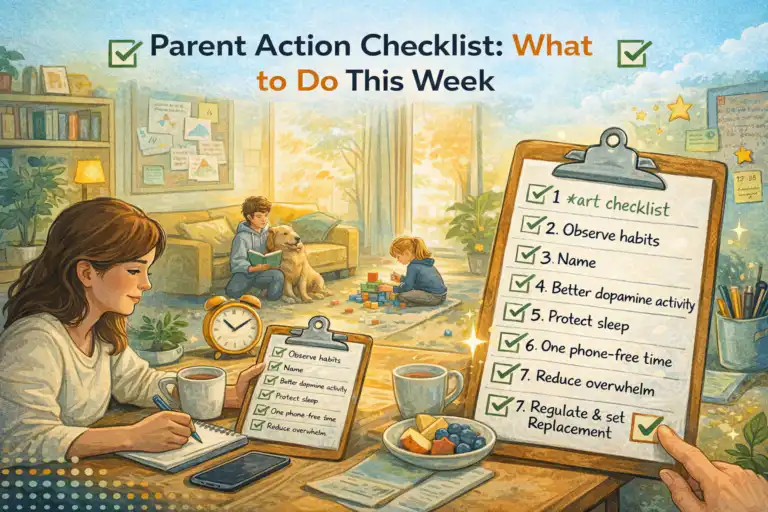
You don't need to overhaul everything at once. This practical checklist gives parents eight small, consistent actions to take this week - from observing patterns before intervening, to protecting sleep, to co-regulating before setting limits. Start small. Stay steady.
Most debate about gaming addiction swings between alarm and dismissal. The research offers something more useful: a precise clinical distinction between heavy use and addictive use, measurable markers that tell them apart, and honest prevalence data that sizes the risk accurately. Here is what the evidence actually shows.
You deleted the app. You set the limit. You tried the detox. And within days or weeks, the same pattern returned. If you have been treating that return as a personal failing, there is a more accurate explanation. Habits that feel compulsive persist because they are serving a function - managing stress, regulating emotion, filling a relational gap. Changing the behavior without understanding the function is why the pattern keeps coming back.
You know how to handle hard things. But somewhere along the way, the part of you that learned to stay ready stopped being something you switch on when you need it and became the default. You are alert when you do not need to be. You cannot fully rest. You have been told to relax and genuinely cannot get there. This is not a character flaw. It is a nervous system that learned to do its job extremely well - and has not yet received the signal that the conditions have changed.
Most advice about digital well-being focuses on one thing: use your phone less. But a growing body of research suggests that raw time reduction is the wrong target. What actually matters is self-regulation, social quality, and intentional planning - and understanding that difference changes what you should try next.
Many arguments about phones in relationships go in circles: one partner feels ignored, the other feels criticized, and nothing really changes. The Later List is a simple shared ritual that helps interrupt that cycle. Instead of confronting the issue mid-scroll, couples jot concerns down and revisit them later when both people are calmer. This small structure reduces defensiveness, lowers conflict, and creates space for more honest conversations about connection and attention.
If you keep picking up your phone without meaning to, you’re not lacking discipline—you’re stuck in a loop. This post breaks down why compulsive checking happens and introduces a simple 3-part framework to interrupt it: recognize the trigger, insert one small pause, and add gentle friction to the environment. With practical scripts and a 24-hour experiment, you’ll have something concrete to try tonight—no shame, no detox required.
If you keep switching between email, Slack, and social media yet feel like nothing gets done, you may be experiencing task-switching debt. For ADHD brains, every unfinished task creates cognitive tension that quietly pulls attention back again and again. This post explains how switching debt builds throughout the day and shares simple micro-experiments to reduce open loops, lower mental fatigue, and make it easier to return to the work that actually matters.
When your phone is your business, “just put it away” isn’t realistic. But constant access can quietly destroy focus—especially for ADHD brains wired for novelty. In this personal reflection, an ADHD coach shares how late-night and early-morning doom scrolling was hijacking his attention and nervous system, and how one surprisingly simple change—a smart watch alarm—created friction that protected his focus without disconnecting him from work.
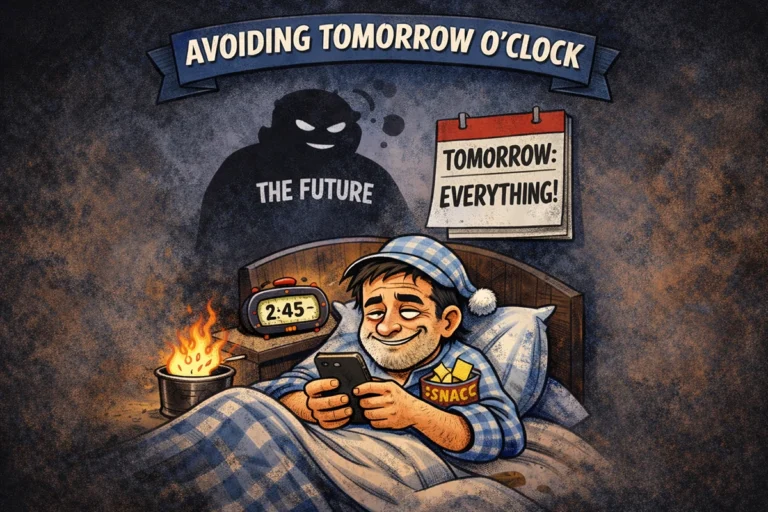
Late-night doom scrolling isn’t really about the phone—it’s about exhaustion, unfinished tasks, and an ADHD brain searching for relief. When the day feels overwhelming and nothing feels complete, endless scrolling offers easy stimulation without expectations. This post explores why burnout and ADHD make nighttime scrolling so common, and how small daytime shifts—like visible task completion and planned endings—can help your brain finally power down instead of staying stuck in the scroll.
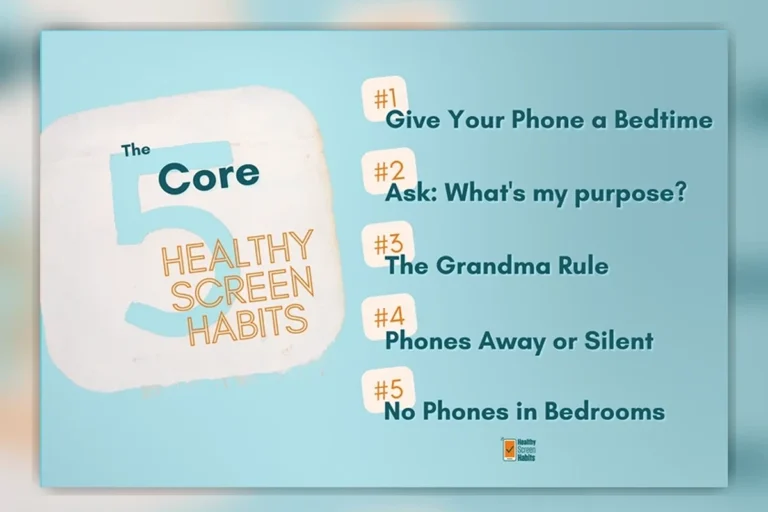
Healthy Screen Habits is helping families rethink screen time with simple, practical habits that prioritize connection over control. Instead of rigid rules or panic, their approach focuses on small, repeatable changes that make technology easier to manage in everyday life. In this post, we highlight their 5 Core Healthy Screen Habits and share a simple 7-day family experiment—small steps that can reduce digital overwhelm and help screens take up less space at home.
If your brain won’t shut up and scrolling leaves you more exhausted, you may be in ADHD burnout. This post explains why ADHD brains burn out differently, how screen time creates a false sense of relief, and why willpower isn’t the solution. With practical, brain-aligned strategies for protecting energy, setting boundaries, and prioritizing real rest, you’ll learn how to recover without forcing yourself to “try harder.”
LinkedIn anxiety sparks career FOMO every time a promotion post pops up. This toolkit swaps comparison for clarity in five steps: schedule two 15-minute LinkedIn blocks, mute trigger accounts, log three weekly wins to anchor self-worth, send one intentional outreach note, and unplug for a LinkedIn-free weekend each month. These habits cut distraction, protect sleep, and sustain meaningful networking. Add Friday progress logs and watch stress drop while real opportunities rise.
Instagram Reels flood your brain with endless novelty, fast swipes, and algorithmic rewards, making focus vanish. If you lose time, feel jittery without the app, or scroll during tasks, you’re edging toward compulsive use. This guide breaks the loop with a four step plan: log every scroll trigger, silence push alerts, set daily caps, and run weekend uninstalls. Mindful viewing plus dopamine detox swaps Reels for real life rewards so attention, sleep, and mood rebound.
TikTok rapid fire feed hijacks dopamine and drains hours. Track triggers for two days, logging place, mood, and time of every swipe. Export favorites, log out everywhere, delete the app, and hand the store password to a friend. Swap cravings with brisk walks, push ups, or quick voice notes. FOMO waves will pass; breathe, reread your trigger list, and mark another screen free evening. Within a week reclaimed time boosts sleep, focus, and creativity again.
Micro stressors like battery anxiety and nonstop alerts quietly raise cortisol all day. Start a 48 hour experiment: park phone three feet away while working, stash chargers in key spots, and silence one low value app. Log mood and focus every two hours. Most users report calmer breath, faster task switching, and deeper evening relaxation within days. Stack additional tweaks weekly until stress recedes to background whisper. Celebrate gains and refine boundaries that keep tech.
Digital overwhelm solutions start with acceptance, not shame. If motivation feels flat, use micro moves: power pause phones off for five minutes, leave the device outside the bedroom tonight, or read one printed page before scrolling. Label negative self talk and reframe: “I haven’t succeeded yet.” Chart offline versus online feelings to spotlight energy leaks. Each tiny win boosts dopamine, restoring momentum that nudges you from stuck toward action without requiring heroic forty eight detoxes.
Digital minimalism tips help motivated users move from basic hygiene to deep focus. Start by hard uninstalling your top three mindless apps, then batch check notifications at 9, 1, and 5. Guard mornings and meals as phone free zones and schedule one 24 hour digital free sprint each month. Turning off every alert except VIP calls plus nightly analog hobbies lowers cortisol and restores attention. Intentional curation proves tech serves values, not reflex scrolling loops.