Blog
Welcome to the Offline.now Blog - your trusted resource for navigating digital detox and reclaiming balance.
Explore daily insights into managing phone stress, reducing screen time, curbing doomscrolling, and practical digital wellness strategies. Let our science-backed tips and expert advice empower you to build a healthy relationship with technology.
If you’ve ever downloaded the “perfect” planning app only to abandon it days later, you’re not alone. For people with ADHD, the very tools marketed as productivity hacks often trigger distraction, dopamine chasing, and task paralysis. Complex features and constant notifications overwhelm executive function, leaving you more stuck than supported. This post unpacks why digital systems backfire for neurodivergent brains and offers low-friction planning strategies that reduce overwhelm and help you create routines that actually stick.
Screens are everywhere, but real joy comes from stepping away. This guide offers 10 engaging digital-free activities that help families, friends, and wellness-seekers reconnect offline. From phone-free dinners and analog game nights to mindful nature walks and journaling, each idea is practical, fun, and easy to try. Whether you’re craving laughter, creativity, or calm, these screen-free ideas provide a refreshing antidote to digital overwhelm and create meaningful moments that last far beyond the scroll.
The shift from summer freedom to fall structure can feel overwhelming, deadlines pile up, notifications never stop, and stress skyrockets. This post-summer burnout is more common than you think, and it’s fueled by digital overwhelm and constant connectivity. The good news? You don’t need a full detox retreat. By adding small, intentional micro-habits; like 15-minute resets, alert regulation, and sleep hygiene; you can ease re-entry anxiety and build a sustainable productivity reset for the semester or work season ahead.
We’re more connected than ever, yet many of us feel increasingly alone. Hours spent online may boost virtual interactions, but they quietly weaken our real-world bonds. Likes and comments can’t replace meaningful conversations, and over time, screens can crowd out the moments that truly matter. This is the crisis of digital loneliness: a full feed, but an empty heart. Reclaiming balance starts with protecting offline time and choosing authentic connection over endless scrolling.
Fitness tracking can be a powerful tool but when every step, heartbeat, and sleep cycle is measured, the numbers can start to own you. Instead of boosting motivation, constant monitoring often fuels stress, sleep tracking anxiety, and wearable overload. This post explores when tracking crosses the line from helpful to harmful, and how to reset with mindful strategies that protect your focus, rest, and overall well-being while still reaping the benefits of technology.
Social media can connect, educate, and even support well-being, but only if you use it with intention. Without limits, the very tools that bring us closer can also fuel anxiety, overload, and self-doubt. The positive effects of social media are real, but they vanish when scrolling becomes compulsive. This guide shows you how to practice mindful digital use, curating your feed, setting boundaries, and staying self-aware so you can keep the benefits without slipping into the risks.
Every generation faces a wave of technology that sparks both excitement and fear. From television’s "zombie effect” warnings in the 1950s to today’s concerns over TikTok and infinite scroll, tech anxiety is hardly new. Yet while the platforms evolve, the core challenge remains: balancing connection with well-being. By tracing the history of media panics, we can see patterns that help us respond more wisely today: choosing mindful, sustainable digital habits rather than falling into cycles of fear or overuse.
Struggling to stay focused during study sessions? You’re not alone, distractions are everywhere, but the right sounds may help. Science shows that focus playlists, brown noise study music, and Pomodoro tracks can create a steady environment that sharpens concentration and prevents burnout. But not all audio works: podcasts, for example, often overload the brain. Learn how to test which sound strategy works best for you, and build a personalized audio routine that truly supports your productivity.
Digital wellness tools from screen-time apps to hybrid coaching platforms are reshaping how we manage focus, sleep, and mental health. While early evidence shows promise, questions remain about long-term impact, equity, and privacy. This review highlights what works, where risks lie, and why hybrid approaches offer the most balanced path forward. With clear research gaps and urgent policy needs, the future of healthy tech boundaries depends on evidence-driven action across academia, industry, and regulation.
Your online presence is part of your resume. Recruiters and employers often Google candidates before making decisions, and what they find can shape your opportunities. A digital footprint audit helps you clean up outdated content, secure old accounts, and showcase a professional image. This guide walks you through practical steps to search yourself, manage social media, and boost your online reputation, so your digital presence supports your career growth instead of holding you back.
Parenting today means navigating a world of instant communication, artificial intelligence, and constant fear. While overprotection aims to keep children safe, it often undermines resilience and independence. Setbacks, risks, and unstructured play are essential for growth, yet many kids miss these opportunities. From summer camps to screen-free family dinners, intentional choices help children build confidence, social skills, and emotional strength preparing them for life’s challenges while preserving the closeness modern families value.
Desire doesn’t vanish in long-term relationships, it shifts. After the honeymoon phase, brain chemistry changes, daily stress builds, and screen time steals intimacy. Many couples mistake fading passion as a sign something is “wrong,” but that’s not true. Desire often needs nurturing. By understanding responsive vs. spontaneous desire, reducing digital distractions, and focusing on connection over performance, couples can reignite closeness. Passion isn’t lost forever; it can be rebuilt with curiosity, consent, and intentional time together.
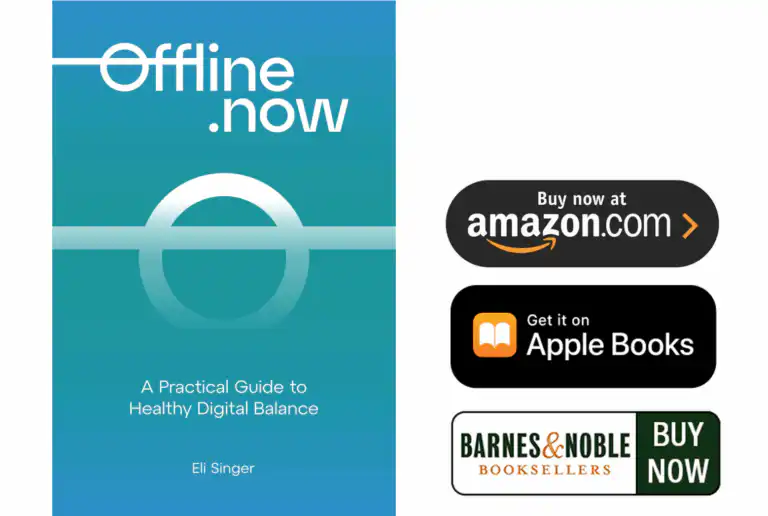
If “just a minute” on your phone turns into forty-five, Offline.now: A Practical Guide to Healthy Digital Balance is for you. Drawing from years spent shaping online communities - and a personal ADHD journey. This book introduces the Offline.now Matrix, a simple self-check to help you start small and stay balanced. With bite-sized chapters, practical steps, and zero guilt, it’s your roadmap to reclaim focus and reconnect with real life, one mindful moment at a time.
Ever feel like your brain is hijacked by endless pings and scrolls? For adults with ADHD, this isn’t a weaknessi. Constant digital distraction cycles are powered by dopamine loops that make apps feel irresistible and leave you battling focus fatigue. Every notification adds a costly task-switch, draining your mental energy. The good news: with small resets like adding friction to apps, naming triggers, and using movement, you can interrupt the loop and reclaim attention.
Sunday evenings can feel like the week is already slipping away: emails, worries, and unfinished tasks crowding in. A Sunday reset changes that. By setting one intentional boundary; whether it’s a no-email rule after 6 p.m. or a screen-free ritual. You reclaim your evening and protect your energy for the week ahead. This simple planning ritual creates calm, prevents anxiety, and helps you start Monday with focus, balance, and the confidence that you’re in control.
Motivation can spark change, but without confidence it quickly fizzles. This is the confidence gap: the space between wanting to change and believing you can. Research shows that lasting behavior shift isn’t about sheer willpower; it’s about stacking tiny wins. Each small success builds proof you’re capable, turning fragile motivation into lasting momentum. By lowering the bar, adding positive habits, and chunking goals, you create evidence of progress and confidence grows with every step.
When you feel stuck, even small changes can seem impossible. That’s why the first step isn’t cutting back it’s simply noticing. By paying attention to tiny screen-free moments, you break autopilot and create small but powerful “wins.” This gentle practice of mindful noticing proves you can take control without pressure or guilt. Over time, these micro-moments build confidence, ease self-doubt, and become your personal digital reset button a way back to focus, meaning, and calm.
Feeling crushed by constant pings and pop-ups? You’re not alone, notification stress is one of the biggest drivers of tech overwhelm. But relief is built right into your phone: Do Not Disturb (DND). Instead of a restriction, think of DND as your anxiety first aid kit; a quick, low-effort way to reclaim focus and calm. With small micro-experiments and simple “if-then” routines, you can build confidence, reduce overload, and feel more in control instantly.