Blog

Welcome to the Offline.now Blog - your trusted resource for navigating digital detox and reclaiming balance.

Explore daily insights into managing phone stress, reducing screen time, curbing doomscrolling, and practical digital wellness strategies. Let our science-backed tips and expert advice empower you to build a healthy relationship with technology.
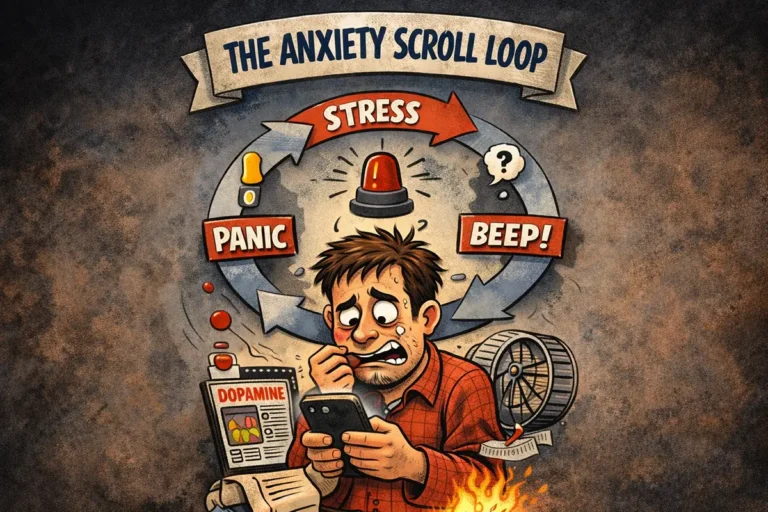
Doom scrolling doesn’t calm anxiety—it intensifies it. For ADHD brains, scrolling can become a regulation loop where fear sharpens focus and activation gets mistaken for relief. By the time you want to stop, executive function is already offline. This post explains why restriction alone fails and why the real solution is sequence: regulate your nervous system first, then redirect the behavior. It’s not a discipline problem—it’s a regulation one.
Feeling replaced by a screen can cut deeper than distraction—it can touch on desirability, safety, and emotional access. This post explores when screens genuinely erode intimacy and when they function as a coping strategy for stress, resentment, or vulnerability. Instead of focusing only on tech rules, it examines the emotional context beneath disconnection and why rebuilding safety often matters more than banning phones from the bedroom.
When screens enter a relationship, the issue isn’t usually the device itself—it’s what it amplifies. This post explores how different attachment styles respond to stress, why one partner’s scrolling can feel like rejection to another, and how emotional availability erodes quietly over time. Instead of blame or shame, it invites curiosity about what’s happening beneath the surface, reminding us that screens don’t break connection—they expose where it already feels fragile.
We often talk about screen time affecting mood and focus—but emerging research suggests it may also impact chronic inflammation. A University at Buffalo study found higher social media use predicted increased CRP, a key inflammation marker. Blending research with personal experience, this post explores how stress activation, poor sleep, and sedentary scrolling may affect the body—and shares practical, realistic steps to reduce digital stress and support long-term health.
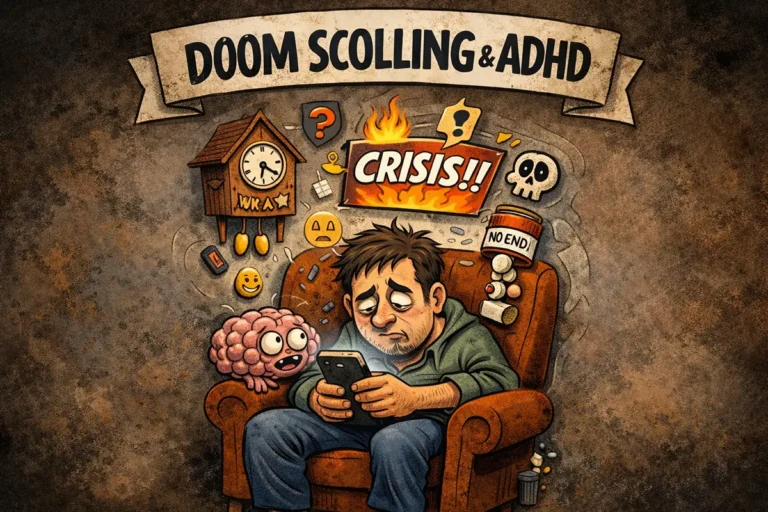
If you have ADHD, doom scrolling isn’t about laziness or poor discipline—it’s what happens when a novelty-seeking brain meets infinite scroll and threat-based content. This post breaks down why ADHD brains are especially vulnerable to doom scrolling, how anxiety can hijack attention, and why shame doesn’t work. Instead of “scroll less” advice, you’ll learn how to change the environment, add real stopping cues, and give your brain somewhere safe to land.
Are Snapchat and TikTok actually dangerous for teens? The real risk isn’t the apps themselves—it’s how they blur privacy, permanence, and performance in ways adolescent brains aren’t equipped to manage. Drawing on clinical work and lived parenting experience, this post explains how online harm often unfolds, why shame makes safety worse, and how families can use practical, non-judgmental tools to help teens protect their agency, make safer choices, and ask for help before mistakes become permanent.
Most of us want change without discomfort, yet friction is often the first sign that something new is beginning. This post explores what it truly means to be “change ready,” why mindset matters more than willpower, and how resistance signals growth rather than failure. By shifting your internal narrative and reclaiming a sense of agency, you can move out of old patterns and toward meaningful, sustainable change—even in a world designed to keep you comfortable and distracted.
Even with constant contact, many of us still feel alone. Digital messages keep us informed, but they don’t always make us feel known. This post explores why digital closeness can’t replace real intimacy—and how passive scrolling, texting, and divided attention quietly erode connection. Learn the difference between “warm” and “cold” interactions, why presence matters more than frequency, and three simple rituals to turn everyday communication into deeper, more satisfying relationships.
Late-night symptom searching often starts with reassurance and ends in panic. When uncertainty meets endless medical content, anxious brains fixate on worst-case explanations—a pattern known as cyberchondria. Fatigue, doomscrolling, and reduced self-control at night make the spiral worse, not better. This piece explains why “just Googling it” backfires and offers a gentle Pause and Ground approach to interrupt the loop, protect your nervous system, and regain calm without ignoring your health.
When emotions run high, texting can turn small misunderstandings into full-blown arguments. Without tone, body language, or real-time feedback, our brains fill in the gaps—often with stress and assumption. This post explores why texting arguments escalate so quickly and introduces a simple Pause and Redirect framework to reduce digital conflict. Learn how creating distance, checking in with your nervous system, and moving hard conversations off-screen can protect connection and restore calm.
Winter mornings often start with a phone, not the sun. While scrolling may feel like a wake-up ritual, blue light and reactive content can overstimulate your nervous system before the day begins. This post explores why swapping screens for real light, gentle movement, and sensory grounding can lift mood and restore calm. Learn how small morning shifts not rigid routines support winter wellness and sustainable digital balance.
If you have ADHD, rest can feel strangely uncomfortable—even guilt-inducing. You may be exhausted, yet unable to stop, reaching for your phone instead of truly recharging. This isn’t laziness; it’s neurobiology. ADHD brains struggle to shift from “go mode” to rest, and digital scrolling often becomes a poor substitute for real recovery. This article reframes rest as a regulation strategy, offering gentle, science-backed recovery rituals for guilt-free downtime.
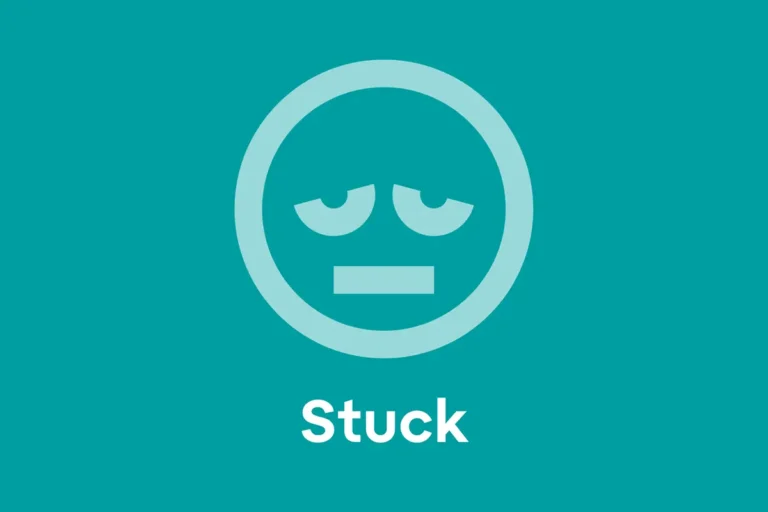
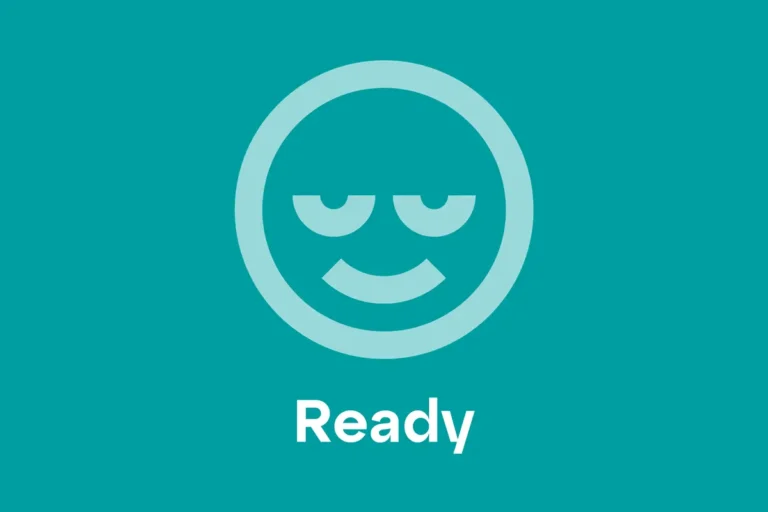
Stuck doesn’t equal failure; it signals low energy and confidence. Lift mood first: jot one gratitude snapshot, soak two minutes of sunlight, or breathe three deep breaths. When brighter, slip in five minute phone exile or color coded mood calendar without judgment. Small, repeatable wins release dopamine, rebuild belief, and create momentum. Consistency beats intensity. Pebble upon pebble forms a path. Gentle persistence turns the wheel, nudging you from stuck to overwhelmed, then ready soon.
You’ve nailed the basics and crave a stretch goal. Advanced balance starts here. Try a 30 day social sabbatical, batch notifications into two ten minute windows, or level up accountability with screen time screenshots and playful stakes. Flow theory says challenge matching skill sparks engagement, so these tactics keep motivation high without burnout. Review progress monthly, adjust pace, and share wins to mentor others. Growth shifts from restraint to intentional tech minimalism that energizes life.
Feeling overwhelmed by screens doesn’t mean you lack willpower. Apps are engineered for frictionless relapse. This post rebuilds confidence through tiny wins: delete three derailment apps for a week, charge the phone outside the bedroom to enjoy a screen free sunrise, and track each resisted check in a notebook. Each micro victory triggers dopamine and proves you can steer habits. Celebrate, breathe, repeat - gentle momentum lifts you from overwhelmed toward ready for bigger moves.
Feeling tethered to notifications yet anxious to unplug signals a digital diet gone sour. Real balance lets tech serve clear goals instead of stealing attention, sleep, and relationships. Begin with a one-day pickup audit, block phone-free meals, create bedroom and dining no-phone zones, and pause before each tap to ask why. Small, intentional boundaries compound into calmer mood, sharper focus, and richer conversations—without banning the devices you still need.
Smartphones leverage unpredictable rewards to glue us to glowing screens. This post shows how to break the habit loop through five science backed moves: track every unlock and emotion for one day, mute super stimulus notifications, breathe for sixty seconds before taps, park the phone in another room for morning detox windows, and swap digital hits for walks or friend texts. Each tiny experiment weakens cue craving response and proves real world rewards feel better.
Power struggles over tablets drain family peace; a written tech pact turns tension into teamwork. Gather everyone, list shared values like sleep, homework, and laughter, then co-create clear rules on apps, timing, and bedroom screens. Sign, post on fridge, and check wins every Friday, adjusting one clause together. Add a charging basket at dinner, 25-5 homework timers, and praise streaks instead of scolding slips. Kid-approved boundaries build lifelong digital balance and lighter evenings for everyone.