Blog
Welcome to the Offline.now Blog - your trusted resource for navigating digital detox and reclaiming balance.
Explore daily insights into managing phone stress, reducing screen time, curbing doomscrolling, and practical digital wellness strategies. Let our science-backed tips and expert advice empower you to build a healthy relationship with technology.
43 studies link bedtime procrastination to shorter, worse sleep. Why the late hour feels earned, and the 20-minute step that moves it.
Adults spend 6 hours 38 minutes a day online (GWI). What counts as too much screen time in 2026, and the one setup change that beats a cap.
Batching notifications three times a day cut stress in a trial of 237 adults; turning them all off raised anxiety. The settings to change, in order.
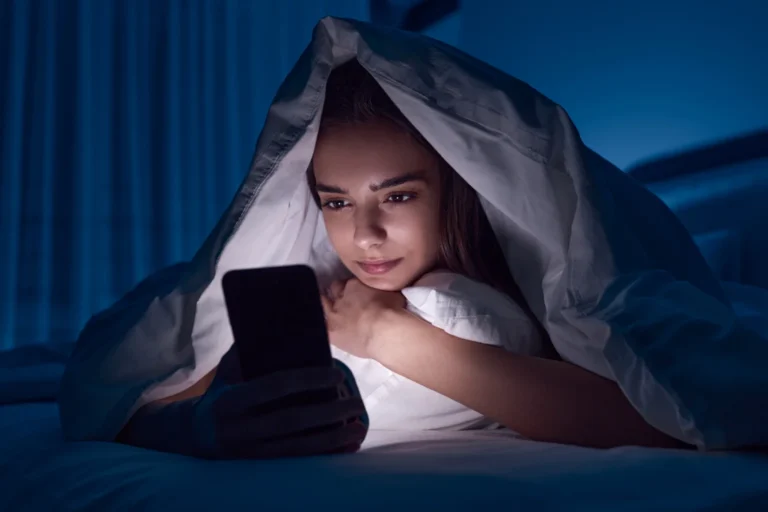
Teens who used their phones more after 10 p.m. slept 20 minutes less (Zhao, 2026). The phone rules that hold name one place and one time.
ADHD symptoms and problematic social media use correlate at 0.36 across 15 studies (Ding, 2025). Why the phone pulls harder, and what helps.
Doomscrolling is linked to anxiety across 44 studies (Li and Yin, 2026). What the word means, what it does to you, and the setup change that holds.
Digital burnout has five sources, and 84 pooled studies show each has its own cause (Kotek, 2025). The signs, the loop, and the first step back.
A 30-minute phone-free buffer cut time to fall asleep in a four-week trial (He, 2020). The 15-minute evening reset: three steps, phone first.
Phone use and sleep problems correlate at 0.38 across 63 studies (Okunlola, 2026). What helps with insomnia from night phone use, in order.
64% of adults 30 to 49 say they use their phone too much (Pew, 2026). Why interruptions cost more than hours, and the one window to protect first.
A 2026 meta-analysis of 63 studies found a 0.38 link between phone use and poor sleep. The step that holds: charge it outside the bedroom.
Updated October 2026. Of the 45% of U.S. adults who tried to cut back on their phone last year, one in four called it a clear success. The problem is the system around the habit, and two 2025-2026 trials show what changes it.
Scrolling past bedtime keeps brains buzzing long after lights out. Research shows even 24-hour device breaks lower cortisol, improve sleep, and reboot attention. Before starting, list two personal reasons for the pause, choose a realistic window, and stock offline anchors like a novel or hike. Silence non-essential alerts, park phones in another room, and breathe through early cravings. Afterward, jot wins and keep dinner and bedtime screen-free to lock in the gains.