Endless Scrolling

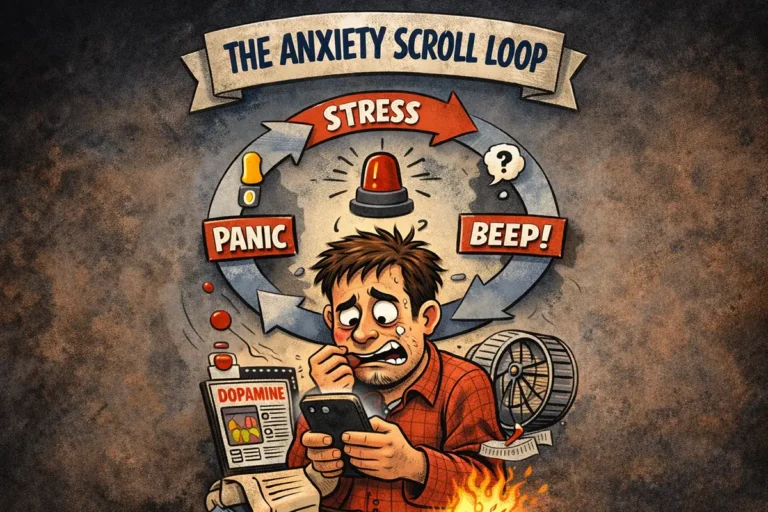
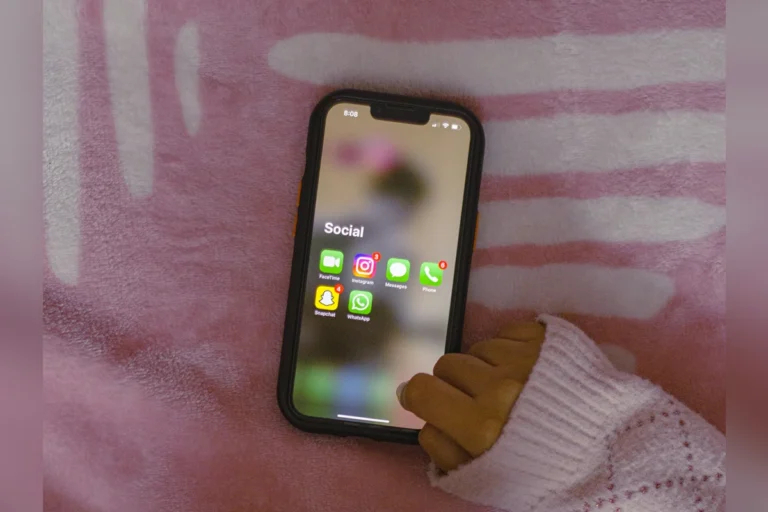
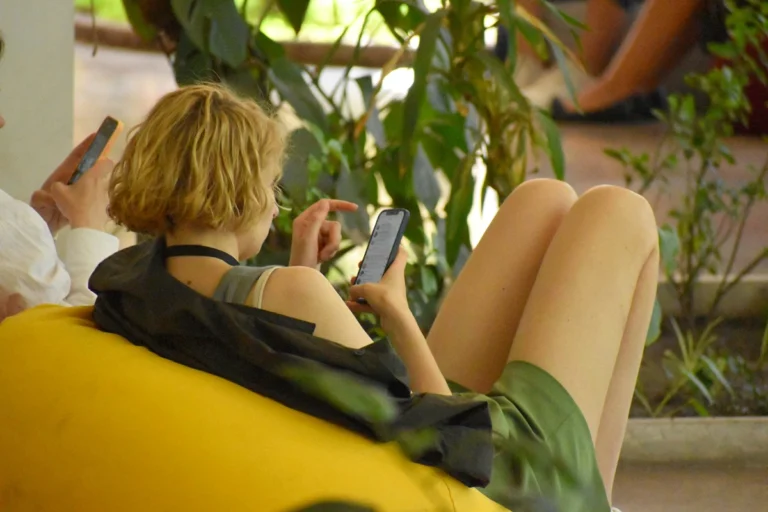
Endless scrolling traps you in a cycle of constant content consumption, often linked to doomscrolling. Explore why it’s so addictive, how it affects your mental health, and ways to take back control.

Screen-related stress is now one of the top reasons people search for therapists and coaches from doomscrolling spirals to ADHD distraction, digital burnout, online anxiety, and family screen conflict. Offline.now is the first directory built entirely around technology-related mental and emotional health, helping clients find specialists who understand their digital struggles. Join the directory to get discovered by high-intent clients looking for exactly what you do and grow your practice in the fastest-rising specialty in mental health.


If “just one more scroll” keeps turning into an hour you didn’t mean to spend, this hub is your guide to understanding and interrupting the cycle. You’ll learn the difference between doomscrolling, zombie scrolling, and micro-scrolling, why short-form feeds feel so addictive, and how your social media habits shape anxiety, comparison, and FOMO. With gentle, realistic tools not guilt or extremes; you’ll discover small shifts that help you reclaim focus, calm, and control.
High-achieving women with ADHD often appear organized and capable while silently battling exhaustion, emotional overwhelm, and self-doubt. Decades of underdiagnosis have left many masking symptoms through perfectionism and overwork. This article explores why ADHD presents differently in women, how emotional regulation and digital habits fuel burnout, and how compassionate coaching and “tiny wins” can rebuild self-trust. Learn small, actionable steps to move from invisible struggle to visible self-acceptance and balance.
Feeling mentally scattered or overstimulated? You might be experiencing cognitive load anxiety; the hidden stress of constant switching and information overload. This guide helps you recognize digital fatigue, uncover overwhelm triggers, and use simple reflection prompts to reclaim clarity and focus. Learn how to turn mental clutter into insight, build small daily wins, and move from feeling drained to feeling calm, capable, and in control of your attention.
Feeling drained by endless scrolling? You’re not alone. Platforms like TikTok and Reels are designed to hijack your attention, fragmenting focus and fueling digital fatigue. This post introduces a simple fix: the 15-minute media swap. Replace reactive scrolling with intentional, long-form content: a book, a podcast, a meaningful article. With mindful media choices, you can rebuild focus, reclaim calm, and shift from dopamine-driven distraction to deep, intentional attention.
Ever feel like your brain is hijacked by endless pings and scrolls? For adults with ADHD, this isn’t a weaknessi. Constant digital distraction cycles are powered by dopamine loops that make apps feel irresistible and leave you battling focus fatigue. Every notification adds a costly task-switch, draining your mental energy. The good news: with small resets like adding friction to apps, naming triggers, and using movement, you can interrupt the loop and reclaim attention.
Remote work makes it harder than ever to switch off and many employees fear that saying no means falling behind. This constant pressure creates digital boundaries stress, draining focus and fueling burnout. The solution isn’t disconnection, but intentional, proactive boundary setting. With simple scripts, micro-routines, and smart tech use, you can communicate limits without guilt, protect your well-being, and still deliver high-quality results. Boundaries aren’t resistance, they’re the foundation of sustainable performance.
YouTube’s autoplay can turn one quick video into an endless binge watching spiral, leaving you overwhelmed and unfocused. If you’ve ever lost hours to the algorithm, you’re not alone. This guide shows you how to reclaim control with a simple three-step routine: disable autoplay, build a “watch later” habit, and set a 3-video limit. By creating intentional boundaries, you’ll break the multitasking cycle, sharpen your focus, and free up time for what really matters.
The shift from summer freedom to fall structure can feel overwhelming, deadlines pile up, notifications never stop, and stress skyrockets. This post-summer burnout is more common than you think, and it’s fueled by digital overwhelm and constant connectivity. The good news? You don’t need a full detox retreat. By adding small, intentional micro-habits; like 15-minute resets, alert regulation, and sleep hygiene; you can ease re-entry anxiety and build a sustainable productivity reset for the semester or work season ahead.
Every generation faces a wave of technology that sparks both excitement and fear. From television’s "zombie effect” warnings in the 1950s to today’s concerns over TikTok and infinite scroll, tech anxiety is hardly new. Yet while the platforms evolve, the core challenge remains: balancing connection with well-being. By tracing the history of media panics, we can see patterns that help us respond more wisely today: choosing mindful, sustainable digital habits rather than falling into cycles of fear or overuse.