Overwhelmed

Feeling overwhelmed is common in a fast-paced tech world. Whether it’s digital overwhelm or emotional overload; explore strategies to manage stress. Reclaim your clarity, and create space for calm and control.

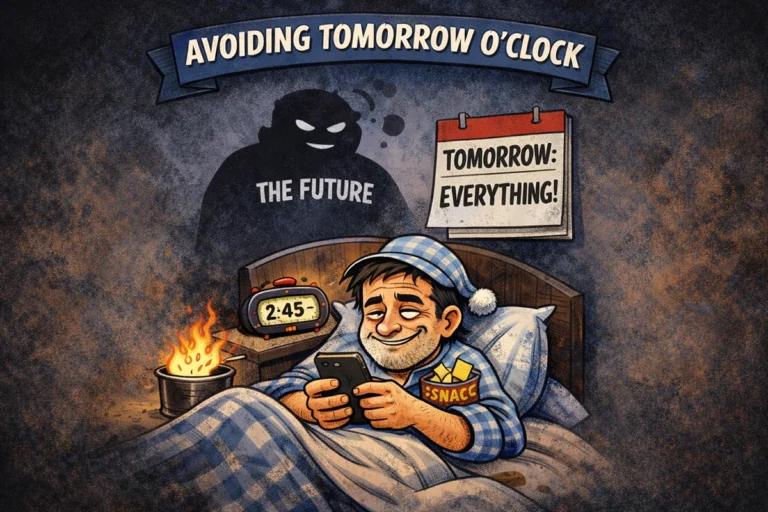
Late-night doom scrolling isn’t really about the phone—it’s about exhaustion, unfinished tasks, and an ADHD brain searching for relief. When the day feels overwhelming and nothing feels complete, endless scrolling offers easy stimulation without expectations. This post explores why burnout and ADHD make nighttime scrolling so common, and how small daytime shifts—like visible task completion and planned endings—can help your brain finally power down instead of staying stuck in the scroll.
If your brain won’t shut up and scrolling leaves you more exhausted, you may be in ADHD burnout. This post explains why ADHD brains burn out differently, how screen time creates a false sense of relief, and why willpower isn’t the solution. With practical, brain-aligned strategies for protecting energy, setting boundaries, and prioritizing real rest, you’ll learn how to recover without forcing yourself to “try harder.”
Most of us want change without discomfort, yet friction is often the first sign that something new is beginning. This post explores what it truly means to be “change ready,” why mindset matters more than willpower, and how resistance signals growth rather than failure. By shifting your internal narrative and reclaiming a sense of agency, you can move out of old patterns and toward meaningful, sustainable change—even in a world designed to keep you comfortable and distracted.
Late-night symptom searching often starts with reassurance and ends in panic. When uncertainty meets endless medical content, anxious brains fixate on worst-case explanations—a pattern known as cyberchondria. Fatigue, doomscrolling, and reduced self-control at night make the spiral worse, not better. This piece explains why “just Googling it” backfires and offers a gentle Pause and Ground approach to interrupt the loop, protect your nervous system, and regain calm without ignoring your health.
Nights don’t unravel because you lack discipline, they unravel because your brain hasn’t had a clean transition out of the digital world. When screens stay on until sleep, your nervous system stays on, too. This 15-minute evening reset isn’t about rigid routines or perfection. It’s about creating a gentle boundary between stimulation and rest—so your body can exhale, your mind can settle, and sleep can actually do its job.
A few weeks into the new year, motivation often fades and stress quietly takes its place. This post explores why traditional resolutions burn us out, how habit fatigue affects the nervous system, and why it’s not a discipline problem. With research-backed insights and a simple 48-hour reset approach, you’ll learn how to step off the pressure loop, regain clarity, and create sustainable change without forcing a “new you.”
If you have ADHD, procrastination isn’t a character flaw—it’s a nervous system response. This post breaks down why starting tasks can feel impossible, how emotion regulation and executive function play a role, and why willpower often fails. With practical, brain-friendly strategies like tiny starts and dopamine bridges, you’ll learn how to move from stuck to starting without shame. You don’t need more discipline. You need safer, kinder ways to begin.
Remote work, study and “side projects” all live on the same screens now—and your brain is feeling it. This guide is your hub for digital burnout at work and school: video call fatigue, inbox chaos, calendar anxiety, tech neck, and the pressure to be “always on.” You’ll find humane strategies for focus, email, tools and boundaries, plus small experiments to protect your energy so you still have something left for life off-screen.
Screen-related stress is now one of the top reasons people search for therapists and coaches from doomscrolling spirals to ADHD distraction, digital burnout, online anxiety, and family screen conflict. Offline.now is the first directory built entirely around technology-related mental and emotional health, helping clients find specialists who understand their digital struggles. Join the directory to get discovered by high-intent clients looking for exactly what you do and grow your practice in the fastest-rising specialty in mental health.
Feeling uneasy when you turn on Do Not Disturb? You’re not alone. Constant connectivity has trained us to equate availability with worth, creating guilt whenever we step away. This article reframes DND mode as self-protection; a deliberate act of self-regulation that safeguards focus, rest, and authenticity. Learn how to manage availability pressure, reduce emotional fatigue, and use boundary scripts to reclaim your calm without apology or anxiety.
If your brain constantly seeks stimulation: scrolling, switching, refreshing; you’re not broken. You’re responding to how ADHD brains process dopamine and reward. This article explains why impulsivity and distraction feel uncontrollable, and how to replace mindless digital stimulation with intentional, energizing “dopamine swaps.” Learn how movement, novelty, and music can regulate focus, calm your nervous system, and help you feel grounded and productive again; without fighting your brain’s natural wiring.
If your emotions feel “too much,” you’re not broken, you’re human. Many adults with ADHD experience emotional intensity, overwhelm, and rejection sensitivity that make daily life exhausting. This post teaches you how to ride the feeling, not fight it, using small, science-backed steps to calm your nervous system and build self-trust. Learn the simple Notice → Pause → Choose method to replace shame with self-compassion and regain your emotional balance one gentle moment at a time.
Feeling stretched thin and constantly plugged in? You don’t need a full digital detox to reclaim calm. This post introduces the one-step weekly boundary; a gentle, realistic way to reduce overwhelm and regain focus. Learn how to set a simple phone-free routine, align it with your values, and use quick reflection prompts to stay consistent. One mindful boundary a week can rebuild confidence, balance, and digital clarity.
Self-trust is what transforms readiness into real change. It’s built not through intensity, but through integrity; keeping small promises to yourself until consistency becomes confidence. Each micro-win reinforces the belief, “I can rely on myself.” By creating simple, repeatable rules—like phone-free mornings or nightly tech cutoffs, you replace willpower with rhythm. Over time, these habits become second nature, turning motivation into momentum and self-trust into the foundation of lasting digital balance.
When motivation is high but confidence feels shaky, you’re standing on the bridge between Overwhelmed and Ready. Real change begins here, not by pushing harder, but by building trust in yourself through small, compassionate steps. Each micro-win: turning off notifications, setting a five-minute tech-free ritual builds belief and balance. As guilt gives way to grounded progress, you move from emotional exhaustion to calm consistency, transforming digital change from effort into ease.
If your weekends feel more like overtime than rest, it’s time to set boundaries. The “always-on” culture fuels exhaustion and burnout, but digital rest can help you recover. By setting clear weekend boundaries—like a tech-free bedroom, a phone-free meal, or a planned unplug block—you reclaim focus and energy. These small, intentional rituals protect your attention, reduce stress, and remind you that rest isn’t a reward—it’s a reset for the week ahead.
Motivation can spark change, but without confidence it quickly fizzles. This is the confidence gap: the space between wanting to change and believing you can. Research shows that lasting behavior shift isn’t about sheer willpower; it’s about stacking tiny wins. Each small success builds proof you’re capable, turning fragile motivation into lasting momentum. By lowering the bar, adding positive habits, and chunking goals, you create evidence of progress and confidence grows with every step.
Multitasking feels like a productivity badge, but science shows it’s an illusion. Every time you switch tasks, your brain pays a hidden task switching cost, draining energy and creating focus fatigue. Instead of boosting efficiency, juggling emails, chats, and projects leaves you scattered and stressed. The solution is intentional single-tasking, or “monotasking.” By setting micro-boundaries, auditing notifications, and celebrating small wins, you’ll reclaim attention, reduce burnout, and align your work with what matters most.
Feeling overwhelmed by endless scrolling? A social media cleanse can help you reset without going cold turkey. Our 30-day calendar gives you one small, achievable challenge each day from turning off notifications to creating app-free zones that builds confidence and reduces stress. By stacking these “tiny wins,” you’ll experience a gradual dopamine reset, improve focus, and reclaim time for what matters most. Start your journey toward digital balance.

If you’ve ever downloaded the “perfect” planning app only to abandon it days later, you’re not alone. For people with ADHD, the very tools marketed as productivity hacks often trigger distraction, dopamine chasing, and task paralysis. Complex features and constant notifications overwhelm executive function, leaving you more stuck than supported. This post unpacks why digital systems backfire for neurodivergent brains and offers low-friction planning strategies that reduce overwhelm and help you create routines that actually stick.
Parenting today means navigating a world of instant communication, artificial intelligence, and constant fear. While overprotection aims to keep children safe, it often undermines resilience and independence. Setbacks, risks, and unstructured play are essential for growth, yet many kids miss these opportunities. From summer camps to screen-free family dinners, intentional choices help children build confidence, social skills, and emotional strength preparing them for life’s challenges while preserving the closeness modern families value.
The Offline.now Matrix is your map to digital balance a 2×2 tool that helps you identify where you are on the spectrum of motivation and confidence. Whether you’re Overwhelmed, Ready, Stuck, or Unconcerned, you’ll find micro-strategies tailored to your starting point. In just two quiz questions, you can pinpoint your quadrant and take intentional, practical steps toward feeling more in control of your time, attention, and energy without ditching your devices.
The Offline.now Matrix may look simple, but it’s built on decades of research in self-efficacy, stages of change, and positive psychology. By mapping motivation and confidence, it meets you where you are without judgment and pairs you with science-backed micro-strategies for lasting change. From BJ Fogg’s tiny habits to emerging screen time studies, this framework turns proven theory into practical steps for digital balance. Start small, stay consistent, and discover your quadrant with our quick quiz.
Is your phone packed with 20,000 photos you never scroll? That silent stress is digital hoarding—cloud clutter that drains focus and sparks guilt. This post rewrites decluttering as self-care: clarify your “why,” nail quick wins like duplicate deletion and screenshot sweeps, mute non-essential notifications, and schedule device-free zones to stop new piles forming. Progress, not perfection, is the rule. Finish by creating a bite-size declutter checklist and start curating memories that actually matter.
Screens now soak up more than six and a half hours of our daily lives over seven for Americans and nearly nine for Gen Z. Our 2025 screen time report unpacks the fresh numbers, from smartphone saturation to the rise of “doomscroll fatigue,” and translates data into action. Learn how constant connection strains attention, sleep, and mood and test three mini-detox tactics, from app timers to “analog power hours,” to reclaim calm, clarity, and healthier digital habits.
Ever yanked out your phone after a phantom buzz only to find silence? That eerie misfire is phantom vibration syndrome - your brain’s sensorimotor wiring glitching after constant notifications. This post unpacks how prediction-error loops and dopamine-driven checking habits create phantom phone sensations, then delivers five coach-style micro-wins: relocate the device, switch vibration patterns, run a body-scan reset, schedule no-buzz blocks, and try a weekly bag-carry challenge. Quiet the “ghost buzz” and reclaim calm focus.
Still sleep with your phone in the room? That glowing rectangle floods your brain with blue light, suppresses melatonin, and tempts night-owls into 2 a.m. doomscrolls. Research says simply parking the device eight feet away can restore circadian rhythms, reduce anxiety, and deepen REM sleep. Our quick guide unpacks the science, shares stylish bedside-free alarm options, and offers micro-wins like a 30-minute pre-bed swap to help you wake clearer, calmer, and ready for real-world focus every day.
Mindless thumb-flicking and endless bad-news binges aren’t the same digital trap. Zombie scrolling is that detached, trance-like drift through random feeds, slowly draining attention. Doomscrolling is a negativity loop, chasing alarming headlines that spike anxiety. Our post unpacks the science behind both habits, shows why motivation and confidence matter, and offers quadrant-specific micro-wins - from timer tricks to values resets - to help night owl professionals reclaim focus, mood, and sustained energy daily without deleting your favorite social apps entirely.
Feeling overwhelmed by screens doesn’t mean you lack willpower. Apps are engineered for frictionless relapse. This post rebuilds confidence through tiny wins: delete three derailment apps for a week, charge the phone outside the bedroom to enjoy a screen free sunrise, and track each resisted check in a notebook. Each micro victory triggers dopamine and proves you can steer habits. Celebrate, breathe, repeat - gentle momentum lifts you from overwhelmed toward ready for bigger moves.