Work From Home

Work from home offers flexibility but also brings challenges like fatigue and blurred boundaries. Explore strategies to stay productive, avoid burnout, and build a healthier remote work routine that supports well-being.

After recovering from paralysis, Amanda Campbell noticed a pattern among burned-out leaders: they’d tried every strategy, yet their bodies still wouldn’t let them rest. This post explains why burnout isn’t a mindset problem, but a somatic one—and how the THRIVE program was designed to rebuild resilience by addressing the nervous system, stored stress, and the physical realities of digital overload, not just productivity habits.
Digital burnout isn’t just mental, it lives in the body. Drawing on kinesiology, this post reveals the physical and nervous system patterns behind compulsive screen use, from chronic fight-or-flight to energy depletion. It explains why willpower-based tech boundaries often fail and introduces the BAMBOO Method, a somatic approach to building flexible, sustainable resilience especially for neurodivergent, high-performing leaders navigating constant digital demand.
You may already be doing digital wellness work—ADHD and TikTok, couples fighting about phones, teens gaming late, burnout from constant notifications. Offline.now helps you turn these everyday client themes into a clear, searchable specialty. Join the first directory dedicated to tech-related mental health so clients can find you for the issues they’re already struggling with. Expand your visibility, articulate your niche, and connect with people who truly need your expertise.
Remote work, study and “side projects” all live on the same screens now—and your brain is feeling it. This guide is your hub for digital burnout at work and school: video call fatigue, inbox chaos, calendar anxiety, tech neck, and the pressure to be “always on.” You’ll find humane strategies for focus, email, tools and boundaries, plus small experiments to protect your energy so you still have something left for life off-screen.
Feeling stretched thin and constantly plugged in? You don’t need a full digital detox to reclaim calm. This post introduces the one-step weekly boundary; a gentle, realistic way to reduce overwhelm and regain focus. Learn how to set a simple phone-free routine, align it with your values, and use quick reflection prompts to stay consistent. One mindful boundary a week can rebuild confidence, balance, and digital clarity.
Sharing a home with ADHD means navigating more than forgotten chores; it’s learning to communicate across different brain styles. In neurodiverse relationships, emotional intensity, disorganization, and overwhelm can strain even the strongest bonds. This post helps couples replace blame with curiosity, strengthen empathy, and create shared structure that supports both partners. Learn how small shifts: like asking better questions and setting clear, time-bound systems. This can turn daily chaos into connection and collaboration.
You’ve built motivation, now it’s time to make your space work for you. An environment upgrade turns discipline into design: shaping surroundings that make healthy digital habits effortless. By adding small friction points, like moving your phone out of the bedroom, and creating tech-free zones that signal rest and connection, you shift from willpower to flow. This reset isn’t restriction: it’s liberation. When your environment aligns with your intentions, calm and clarity become your new defaults.
If your weekends feel more like overtime than rest, it’s time to set boundaries. The “always-on” culture fuels exhaustion and burnout, but digital rest can help you recover. By setting clear weekend boundaries—like a tech-free bedroom, a phone-free meal, or a planned unplug block—you reclaim focus and energy. These small, intentional rituals protect your attention, reduce stress, and remind you that rest isn’t a reward—it’s a reset for the week ahead.
Feeling wiped out after endless Zoom calls? You’re not alone. Zoom fatigue is a unique kind of digital exhaustion caused by constant visibility and cognitive overload. The pressure to stay camera-ready blurs work–life boundaries and drains focus. The good news: simple boundaries can help. Learn how camera-optional meetings, focus blocks, and asynchronous tools reduce video call stress, rebuild attention, and make remote work feel human again—without sacrificing connection.
Feeling crushed by constant pings and pop-ups? You’re not alone, notification stress is one of the biggest drivers of tech overwhelm. But relief is built right into your phone: Do Not Disturb (DND). Instead of a restriction, think of DND as your anxiety first aid kit; a quick, low-effort way to reclaim focus and calm. With small micro-experiments and simple “if-then” routines, you can build confidence, reduce overload, and feel more in control instantly.
Remote work makes it harder than ever to switch off and many employees fear that saying no means falling behind. This constant pressure creates digital boundaries stress, draining focus and fueling burnout. The solution isn’t disconnection, but intentional, proactive boundary setting. With simple scripts, micro-routines, and smart tech use, you can communicate limits without guilt, protect your well-being, and still deliver high-quality results. Boundaries aren’t resistance, they’re the foundation of sustainable performance.
If you’ve ever downloaded the “perfect” planning app only to abandon it days later, you’re not alone. For people with ADHD, the very tools marketed as productivity hacks often trigger distraction, dopamine chasing, and task paralysis. Complex features and constant notifications overwhelm executive function, leaving you more stuck than supported. This post unpacks why digital systems backfire for neurodivergent brains and offers low-friction planning strategies that reduce overwhelm and help you create routines that actually stick.
Struggling to stay focused during study sessions? You’re not alone, distractions are everywhere, but the right sounds may help. Science shows that focus playlists, brown noise study music, and Pomodoro tracks can create a steady environment that sharpens concentration and prevents burnout. But not all audio works: podcasts, for example, often overload the brain. Learn how to test which sound strategy works best for you, and build a personalized audio routine that truly supports your productivity.
Your online presence is part of your resume. Recruiters and employers often Google candidates before making decisions, and what they find can shape your opportunities. A digital footprint audit helps you clean up outdated content, secure old accounts, and showcase a professional image. This guide walks you through practical steps to search yourself, manage social media, and boost your online reputation, so your digital presence supports your career growth instead of holding you back.
Does your inbox feel like it’s overflowing with unwanted newsletters and endless promotions? A cluttered inbox doesn’t just waste time, it drains focus and adds to mental stress. In this guide, you’ll learn a simple 15-minute unsubscribe sprint to quickly clear out digital noise and move closer to inbox zero. With step-by-step instructions and ongoing maintenance tips, this routine helps ambitious professionals reclaim control, boost productivity, and create lasting clarity.
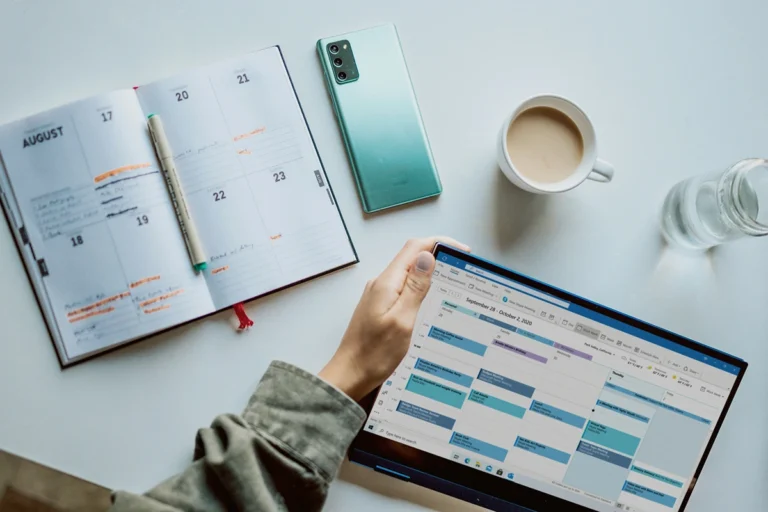
Is your calendar running your life instead of helping you manage it? In today’s always-on work culture, nonstop meetings and notifications can fuel stress, disrupt sleep, and drain focus. This guide unpacks the hidden cost of calendar anxiety and offers a simple solution: white-space planning. By intentionally leaving room to pause, reflect, and recharge, you can prevent burnout, sharpen your focus, and reclaim control of your time, one small block at a time.
Do constant pings, buzzes, and pop-ups keep hijacking your attention? You’re not alone. Notifications are designed to pull you in but they also fuel stress, anxiety, and distraction. This guide explores why alerts feel overwhelming, how they impact your brain, and practical ways to quiet the noise. From mastering Do Not Disturb settings to creating tech-free zones, you’ll learn simple, sustainable strategies to reduce digital overwhelm, protect your focus, and take back control of your time and peace of mind.
The Single Room Rule is a behaviorally informed strategy to reduce phone dependency by designating a single space for device use. Grounded in habit science and digital wellness research, this method minimizes environmental triggers, boosts self-regulation, and encourages intentional tech use. Ideal for parents, professionals, and students alike, this practical approach helps you reclaim attention, improve sleep, and foster real-world connection without relying on willpower alone. A small boundary that yields measurable psychological benefits.
Ever yanked out your phone after a phantom buzz only to find silence? That eerie misfire is phantom vibration syndrome - your brain’s sensorimotor wiring glitching after constant notifications. This post unpacks how prediction-error loops and dopamine-driven checking habits create phantom phone sensations, then delivers five coach-style micro-wins: relocate the device, switch vibration patterns, run a body-scan reset, schedule no-buzz blocks, and try a weekly bag-carry challenge. Quiet the “ghost buzz” and reclaim calm focus.
Neck strain from remote work stems from forward head posture and rounded shoulders. Fix tech-neck in five minutes: set a 30-minute timer and cycle through seven equipment-free stretches like neck tilt and rotation, chin tuck, doorway chest opener, and wrist extensor release. Pair moves with file loading or coffee brew to lock habit. Consistent micro breaks relieve tension, restore posture, and boost focus more than occasional marathon yoga sessions for lasting comfort.
Desktop chaos silently taxes focus. Random installers, screenshots, and mystery docs spike cortisol and decision fatigue. In thirty minutes you’ll sweep every icon into a temp folder, delete duplicates, archive receipts, and sort keepers into five broad folders. A weekly five minute sweep plus download discipline keeps clutter from rebounding. Treat each drag to Trash as mindful practice - one file, one decision, one breath. Minimal screen equals maximal mental bandwidth, boosting productivity and calm.
Cluttered inboxes steal focus and fuel email anxiety. This quick guide turns your cluttered inbox into a calm task list in just fifteen minutes a day. You will build smart filters to divert newsletters, batch processing into two scheduled windows, and apply the two minute rule to act, defer, or delete before messages snowball. With pings silenced and routines set, workers reclaim five hours a week, lower stress, and protect deep work after hours.
Forward head posture during screen marathons adds up to sixty pounds of neck strain. Raise monitors to eye level with books or a stand, hold phones at chin height, and set a thirty minute chime for movement. Cycle through quick chin tucks, shoulder rolls, and doorway chest openers while files load. Pair stretches with water breaks to lock habit and prevent stiffness. Daily micro resets relieve pain more effectively than occasional marathon yoga sessions alone.
Digital Pomodoro method upgrades the classic 25-5 rhythm for modern remote work. Schedule three morning sprints, launch a focus app to silence notifications, and treat each block like a client meeting. After four cycles, take a twenty minute recharge then repeat after lunch. The structure combats online temptations and hazy boundaries, training attention while preserving energy. Keep phones in another room, mark calendar slots busy, and watch productivity rise as fatigue and procrastination fall away.
Mindfulness exercises fit even the busiest calendar when they take five minutes or less. This toolkit delivers five micro practices: a one-minute breath reset, mindful scrolling check before feeds, two-minute body scan, single-breath transition between tasks, and quick gratitude text. Anchor each to an existing routine - coffee, email, meeting wrap - to avoid overload. Consistency compounds into calmer mood and sharper focus. Choose one exercise today, set a calendar ping, and start building resilience now.