Blog
Welcome to the Offline.now Blog - your trusted resource for navigating digital detox and reclaiming balance.
Explore daily insights into managing phone stress, reducing screen time, curbing doomscrolling, and practical digital wellness strategies. Let our science-backed tips and expert advice empower you to build a healthy relationship with technology.
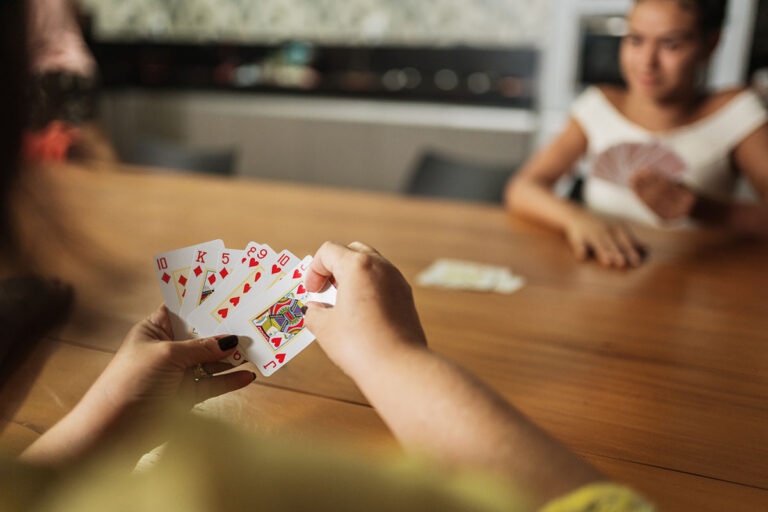
Grandma hobbies are slow, hands-on pastimes like baking and card games. Here is a list of 12 to try this week with what's already in the house.
An analog bag is a bag of offline things you reach for instead of your phone. What to put in one, how to make one, and 12 ideas from a list of 100.
Going analog means choosing the hands-on version of something you'd do on a screen. Here are 20 analog activities for a morning, an evening or a whole day.
Twenty free hobbies that cost nothing to start, sorted by what you have: a pencil, your street, your house or your memory. Plus a few cheap hobbies.
Twelve hobbies for couples to do at home without your phones, like card games and cooking. Plus four ways to ask that don't start a fight.
Eleven low-energy hobbies for when you're too tired for anything. Six ask nothing of you and five ask a little. All are low effort and free.
How to find a hobby as an adult, even when nothing interests you. Three steps from Chapter 9 of the Offline.now book, and easy hobbies to start today.
Sixteen random things to do when bored without your phone, sorted by where you are: at home alone, at night or outside. From a list of 100.
Twelve things to do before bed without screens. Six for once you're in bed and six for the hour before, each about as easy as picking up your phone.
Ten small things to do in the morning instead of scrolling. Two take a minute. For a phone-free start to the day, from the Offline.now list of 100.
Fifteen alternatives to doomscrolling, sorted by what the scroll was giving you. News, rest, company, busy hands or a way out of a task.
In-class phone use fell from 61% to 13% in the largest school phone ban study. Test scores barely moved. Four studies on focus, grades and mood.
Stuck doesn’t equal failure; it signals low energy and confidence. Lift mood first: jot one gratitude snapshot, soak two minutes of sunlight, or breathe three deep breaths. When brighter, slip in five minute phone exile or color coded mood calendar without judgment. Small, repeatable wins release dopamine, rebuild belief, and create momentum. Consistency beats intensity. Pebble upon pebble forms a path. Gentle persistence turns the wheel, nudging you from stuck to overwhelmed, then ready soon.
You’ve nailed the basics and crave a stretch goal. Advanced balance starts here. Try a 30 day social sabbatical, batch notifications into two ten minute windows, or level up accountability with screen time screenshots and playful stakes. Flow theory says challenge matching skill sparks engagement, so these tactics keep motivation high without burnout. Review progress monthly, adjust pace, and share wins to mentor others. Growth shifts from restraint to intentional tech minimalism that energizes life.
Feeling overwhelmed by screens doesn’t mean you lack willpower. Apps are engineered for frictionless relapse. This post rebuilds confidence through tiny wins: delete three derailment apps for a week, charge the phone outside the bedroom to enjoy a screen free sunrise, and track each resisted check in a notebook. Each micro victory triggers dopamine and proves you can steer habits. Celebrate, breathe, repeat - gentle momentum lifts you from overwhelmed toward ready for bigger moves.
Feeling tethered to notifications yet anxious to unplug signals a digital diet gone sour. Real balance lets tech serve clear goals instead of stealing attention, sleep, and relationships. Begin with a one-day pickup audit, block phone-free meals, create bedroom and dining no-phone zones, and pause before each tap to ask why. Small, intentional boundaries compound into calmer mood, sharper focus, and richer conversations—without banning the devices you still need.
Smartphones leverage unpredictable rewards to glue us to glowing screens. This post shows how to break the habit loop through five science backed moves: track every unlock and emotion for one day, mute super stimulus notifications, breathe for sixty seconds before taps, park the phone in another room for morning detox windows, and swap digital hits for walks or friend texts. Each tiny experiment weakens cue craving response and proves real world rewards feel better.
Power struggles over tablets drain family peace; a written tech pact turns tension into teamwork. Gather everyone, list shared values like sleep, homework, and laughter, then co-create clear rules on apps, timing, and bedroom screens. Sign, post on fridge, and check wins every Friday, adjusting one clause together. Add a charging basket at dinner, 25-5 homework timers, and praise streaks instead of scolding slips. Kid-approved boundaries build lifelong digital balance and lighter evenings for everyone.