Blog

Welcome to the Offline.now Blog - your trusted resource for navigating digital detox and reclaiming balance.

Explore daily insights into managing phone stress, reducing screen time, curbing doomscrolling, and practical digital wellness strategies. Let our science-backed tips and expert advice empower you to build a healthy relationship with technology.
You know how to handle hard things. But somewhere along the way, the part of you that learned to stay ready stopped being something you switch on when you need it and became the default. You are alert when you do not need to be. You cannot fully rest. You have been told to relax and genuinely cannot get there. This is not a character flaw. It is a nervous system that learned to do its job extremely well - and has not yet received the signal that the conditions have changed.
Most advice about digital well-being focuses on one thing: use your phone less. But a growing body of research suggests that raw time reduction is the wrong target. What actually matters is self-regulation, social quality, and intentional planning - and understanding that difference changes what you should try next.
Many arguments about phones in relationships go in circles: one partner feels ignored, the other feels criticized, and nothing really changes. The Later List is a simple shared ritual that helps interrupt that cycle. Instead of confronting the issue mid-scroll, couples jot concerns down and revisit them later when both people are calmer. This small structure reduces defensiveness, lowers conflict, and creates space for more honest conversations about connection and attention.
If you keep picking up your phone without meaning to, you’re not lacking discipline—you’re stuck in a loop. This post breaks down why compulsive checking happens and introduces a simple 3-part framework to interrupt it: recognize the trigger, insert one small pause, and add gentle friction to the environment. With practical scripts and a 24-hour experiment, you’ll have something concrete to try tonight—no shame, no detox required.
If you keep switching between email, Slack, and social media yet feel like nothing gets done, you may be experiencing task-switching debt. For ADHD brains, every unfinished task creates cognitive tension that quietly pulls attention back again and again. This post explains how switching debt builds throughout the day and shares simple micro-experiments to reduce open loops, lower mental fatigue, and make it easier to return to the work that actually matters.
When your phone is your business, “just put it away” isn’t realistic. But constant access can quietly destroy focus—especially for ADHD brains wired for novelty. In this personal reflection, an ADHD coach shares how late-night and early-morning doom scrolling was hijacking his attention and nervous system, and how one surprisingly simple change—a smart watch alarm—created friction that protected his focus without disconnecting him from work.
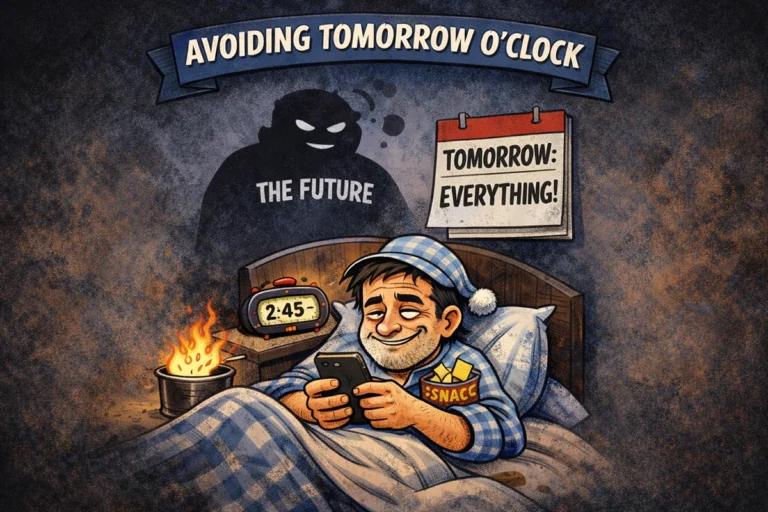
Late-night doom scrolling isn’t really about the phone—it’s about exhaustion, unfinished tasks, and an ADHD brain searching for relief. When the day feels overwhelming and nothing feels complete, endless scrolling offers easy stimulation without expectations. This post explores why burnout and ADHD make nighttime scrolling so common, and how small daytime shifts—like visible task completion and planned endings—can help your brain finally power down instead of staying stuck in the scroll.
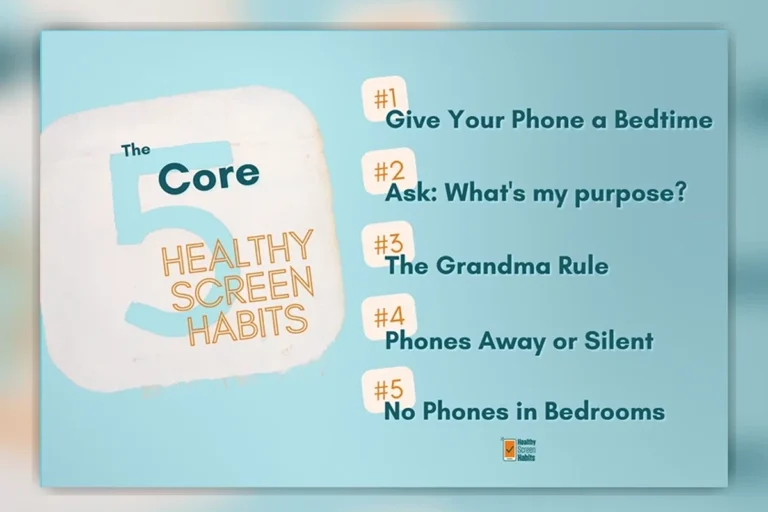
Healthy Screen Habits is helping families rethink screen time with simple, practical habits that prioritize connection over control. Instead of rigid rules or panic, their approach focuses on small, repeatable changes that make technology easier to manage in everyday life. In this post, we highlight their 5 Core Healthy Screen Habits and share a simple 7-day family experiment—small steps that can reduce digital overwhelm and help screens take up less space at home.
If your brain won’t shut up and scrolling leaves you more exhausted, you may be in ADHD burnout. This post explains why ADHD brains burn out differently, how screen time creates a false sense of relief, and why willpower isn’t the solution. With practical, brain-aligned strategies for protecting energy, setting boundaries, and prioritizing real rest, you’ll learn how to recover without forcing yourself to “try harder.”
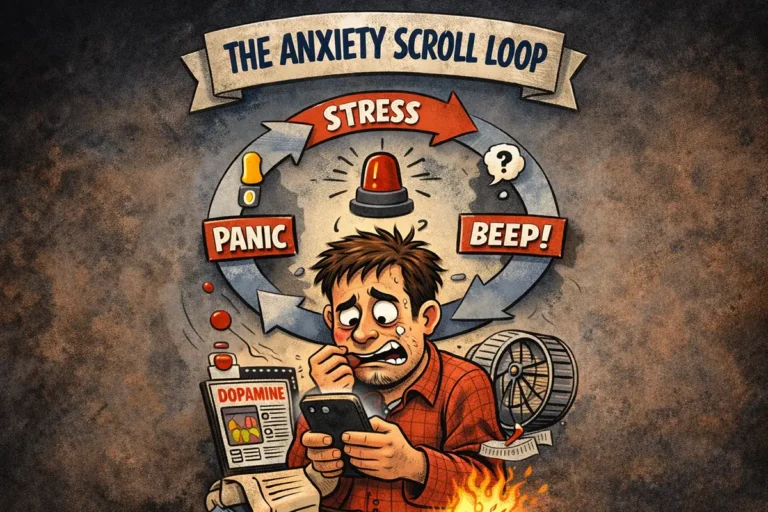
Doom scrolling doesn’t calm anxiety—it intensifies it. For ADHD brains, scrolling can become a regulation loop where fear sharpens focus and activation gets mistaken for relief. By the time you want to stop, executive function is already offline. This post explains why restriction alone fails and why the real solution is sequence: regulate your nervous system first, then redirect the behavior. It’s not a discipline problem—it’s a regulation one.
Feeling replaced by a screen can cut deeper than distraction—it can touch on desirability, safety, and emotional access. This post explores when screens genuinely erode intimacy and when they function as a coping strategy for stress, resentment, or vulnerability. Instead of focusing only on tech rules, it examines the emotional context beneath disconnection and why rebuilding safety often matters more than banning phones from the bedroom.
When screens enter a relationship, the issue isn’t usually the device itself—it’s what it amplifies. This post explores how different attachment styles respond to stress, why one partner’s scrolling can feel like rejection to another, and how emotional availability erodes quietly over time. Instead of blame or shame, it invites curiosity about what’s happening beneath the surface, reminding us that screens don’t break connection—they expose where it already feels fragile.
If you’ve tried every digital wellness strategy and still feel restless, anxious, or unable to unplug, the problem isn’t your willpower—it’s your nervous system. In this powerful guest post, resilience coach Amanda Campbell shares how her recovery from paralysis revealed a deeper truth: your body must feel safe before it can disconnect. Through her BAMBOO Method and years of coaching burned-out leaders, she explains why strategies don’t stick and how real resilience begins in the body, not the mind.
Remote work, study and “side projects” all live on the same screens now—and your brain is feeling it. This guide is your hub for digital burnout at work and school: video call fatigue, inbox chaos, calendar anxiety, tech neck, and the pressure to be “always on.” You’ll find humane strategies for focus, email, tools and boundaries, plus small experiments to protect your energy so you still have something left for life off-screen.

Screen-related stress is now one of the top reasons people search for therapists and coaches from doomscrolling spirals to ADHD distraction, digital burnout, online anxiety, and family screen conflict. Offline.now is the first directory built entirely around technology-related mental and emotional health, helping clients find specialists who understand their digital struggles. Join the directory to get discovered by high-intent clients looking for exactly what you do and grow your practice in the fastest-rising specialty in mental health.
I once believed my colour-coded calendar proved I had elite time-management skills until divorce, job loss, and a global shutdown handed me empty evenings I didn’t know how to fill. With no distractions left, I realized I wasn’t managing time; I was stuffing it to avoid asking harder questions. As screen time crept in to replace the chaos, I had to face what I was really chasing and what I actually wanted from my newly reclaimed hours.
Screens slipped quietly into the middle of our families, meals and marriages and now it’s hard to remember what being together felt like before the scroll. This guide is your starting point for rethinking phones, parenting and partnership without going full “no screens ever” mode. You’ll explore boundaries for kids and teens, desire and dating in the app era, and simple family rituals that make real connection feel possible again, even when life feels unbearably busy.
Managing screen time with ADHD can feel overwhelming from distraction spirals to hyperfocus loops to the constant pull of notifications. You don’t have to figure it out alone. Offline.now connects you with specialists who understand how ADHD brains interact with digital life. Explore experts in ADHD digital management, hyperfocus support, and executive functioning skills. Many offer free intro chats so you can find the right fit and start building healthier, more sustainable digital habits.