Blog

Welcome to the Offline.now Blog - your trusted resource for navigating digital detox and reclaiming balance.

Explore daily insights into managing phone stress, reducing screen time, curbing doomscrolling, and practical digital wellness strategies. Let our science-backed tips and expert advice empower you to build a healthy relationship with technology.
Winter mornings often start with a phone, not the sun. While scrolling may feel like a wake-up ritual, blue light and reactive content can overstimulate your nervous system before the day begins. This post explores why swapping screens for real light, gentle movement, and sensory grounding can lift mood and restore calm. Learn how small morning shifts not rigid routines support winter wellness and sustainable digital balance.
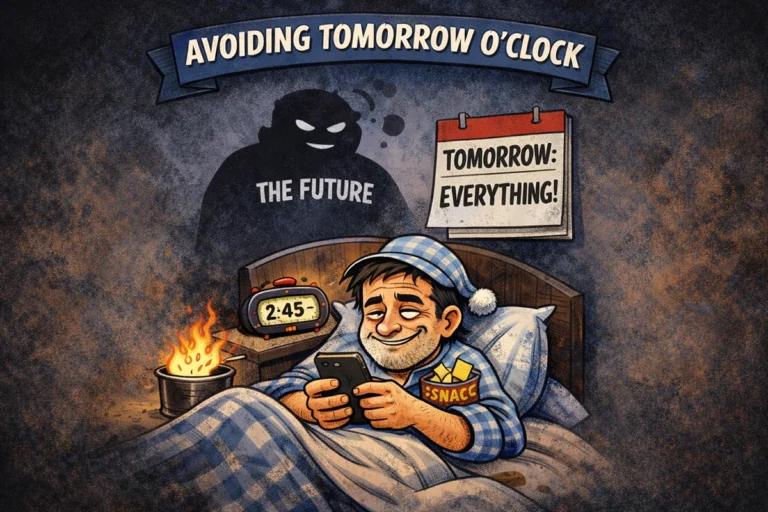
Nights don’t unravel because you lack discipline, they unravel because your brain hasn’t had a clean transition out of the digital world. When screens stay on until sleep, your nervous system stays on, too. This 15-minute evening reset isn’t about rigid routines or perfection. It’s about creating a gentle boundary between stimulation and rest—so your body can exhale, your mind can settle, and sleep can actually do its job.
If you have ADHD, rest can feel strangely uncomfortable—even guilt-inducing. You may be exhausted, yet unable to stop, reaching for your phone instead of truly recharging. This isn’t laziness; it’s neurobiology. ADHD brains struggle to shift from “go mode” to rest, and digital scrolling often becomes a poor substitute for real recovery. This article reframes rest as a regulation strategy, offering gentle, science-backed recovery rituals for guilt-free downtime.
Mid-January can feel strangely flat once the holiday buzz fades. Motivation dips, scrolling increases, and life can feel muted—not because you’ve failed, but because your brain is recalibrating after a dopamine-rich season. This post explains the January slump through a nervous system lens and offers gentle, sensory resets that support mood and energy without willpower, pressure, or a forced “new year” overhaul.
A few weeks into the new year, motivation often fades and stress quietly takes its place. This post explores why traditional resolutions burn us out, how habit fatigue affects the nervous system, and why it’s not a discipline problem. With research-backed insights and a simple 48-hour reset approach, you’ll learn how to step off the pressure loop, regain clarity, and create sustainable change without forcing a “new you.”
After recovering from paralysis, Amanda Campbell noticed a pattern among burned-out leaders: they’d tried every strategy, yet their bodies still wouldn’t let them rest. This post explains why burnout isn’t a mindset problem, but a somatic one—and how the THRIVE program was designed to rebuild resilience by addressing the nervous system, stored stress, and the physical realities of digital overload, not just productivity habits.
Most New Year resolutions fail because they rely on motivation instead of systems. If you’re tired of the all-or-nothing cycle, there’s a better way. Tiny “If-Then” rules—like plugging in your phone across the room or delaying checks until a set time—turn vague intentions into automatic habits. These micro-steps build confidence, reduce overwhelm, and help you create realistic New Year resolutions that actually last. Change happens when your rules get smaller, not when your goals get bigger.
January planning can feel especially heavy if you have ADHD—big goals spark a burst of motivation, then quickly collapse into overwhelm and shame. This post reframes New Year planning through an ADHD-friendly lens, explaining why traditional resolutions fail and how tiny starts, visual rules, and time anchoring create momentum without pressure. Instead of chasing a “new you,” you’ll learn how to design systems that support your brain, reduce friction, and make progress feel possible again.
Many high performers implement digital boundaries perfectly, yet still feel anxious, restless, and unable to truly disconnect. This post explains why behavior change alone can feel like a constant battle, and how chronic nervous system activation drives compulsive phone use. Through a real client story, it shows how somatic work and the BAMBOO Method help the body feel safe offline, making digital wellness strategies sustainable rather than exhausting.
Winter can leave ADHD brains feeling “tired but wired”—exhausted, restless, and pulled toward constant stimulation. This post explains why shorter days, less movement, and more screen exposure intensify ADHD restlessness, and why it’s a nervous system response, not a discipline issue. With simple, regulating swaps like micro-movement, sensory anchors, and gentler evening light, you’ll learn how to clear the winter fog without spiraling into digital overload or self-blame.
Digital burnout isn’t just mental, it lives in the body. Drawing on kinesiology, this post reveals the physical and nervous system patterns behind compulsive screen use, from chronic fight-or-flight to energy depletion. It explains why willpower-based tech boundaries often fail and introduces the BAMBOO Method, a somatic approach to building flexible, sustainable resilience especially for neurodivergent, high-performing leaders navigating constant digital demand.
It can happen without conflict or intention: two people together, quietly pulled into separate screens. This post explores how phones can subtly interfere with connection in relationships, why it’s not about blame or addiction, and how patterns like partner phubbing affect emotional closeness. With gentle, realistic micro-swaps—no bans or ultimatums—you’ll learn how to restore presence, reduce resentment, and reconnect in small moments that actually fit real life.
The Offline.now Matrix may look simple, but it’s built on decades of research in self-efficacy, stages of change, and positive psychology. By mapping motivation and confidence, it meets you where you are without judgment and pairs you with science-backed micro-strategies for lasting change. From BJ Fogg’s tiny habits to emerging screen time studies, this framework turns proven theory into practical steps for digital balance. Start small, stay consistent, and discover your quadrant with our quick quiz.
Boredom isn’t wasted time, it’s your creativity engine. When you stop filling every lull with screens, the brain shifts into default mode daydreaming, where ideas collide and insights surface. This post reframes boredom as a healthy pause, unpacks the science of mind-wandering and creative incubation, and offers five micro-detox tactics from scheduled no-scroll moments to analog hobbies. Use your journal and turn idle minutes into spark sessions that revive focus and imagination every single day again.
The Single Room Rule is a behaviorally informed strategy to reduce phone dependency by designating a single space for device use. Grounded in habit science and digital wellness research, this method minimizes environmental triggers, boosts self-regulation, and encourages intentional tech use. Ideal for parents, professionals, and students alike, this practical approach helps you reclaim attention, improve sleep, and foster real-world connection without relying on willpower alone. A small boundary that yields measurable psychological benefits.
Phones hand out dopamine on demand, perfect for ADHD brains, but brutal for productivity. If “just five minutes” of scrolling morphs into an hour, try these four research-backed shifts. Swap self-blame for ADHD coaching that builds planning skills and self-compassion; lean on uncluttered digital tools and a no-login ChatBot for gentle nudges; reset with a quick walk to boost executive function; and stack tiny “micro-wins” like answering one text. Progress, not perfection, rewires phone habits and your day.
Is your phone packed with 20,000 photos you never scroll? That silent stress is digital hoarding—cloud clutter that drains focus and sparks guilt. This post rewrites decluttering as self-care: clarify your “why,” nail quick wins like duplicate deletion and screenshot sweeps, mute non-essential notifications, and schedule device-free zones to stop new piles forming. Progress, not perfection, is the rule. Finish by creating a bite-size declutter checklist and start curating memories that actually matter.
Screens now soak up more than six and a half hours of our daily lives over seven for Americans and nearly nine for Gen Z. Our 2025 screen time report unpacks the fresh numbers, from smartphone saturation to the rise of “doomscroll fatigue,” and translates data into action. Learn how constant connection strains attention, sleep, and mood and test three mini-detox tactics, from app timers to “analog power hours,” to reclaim calm, clarity, and healthier digital habits.