Blog
Welcome to the Offline.now Blog - your trusted resource for navigating digital detox and reclaiming balance.
Explore daily insights into managing phone stress, reducing screen time, curbing doomscrolling, and practical digital wellness strategies. Let our science-backed tips and expert advice empower you to build a healthy relationship with technology.
No trial has tested the dopamine detox, and 21 digital detox studies came back mixed (Radtke, 2022). What the evidence supports, and a first step.
Across 43 studies, 21% report severe nomophobia (Al-Mamun, 2025). What the fear is made of, and the step that keeps the lifeline.
53% of U.S. adults say they use their phone too much (Pew, 2026). No test diagnoses phone addiction. Two questions that tell you where to start.
Opal, one sec, Brick, Cold Turkey, ScreenZen and Forest compared on four criteria. In one trial a block cut screen time from 314 to 161 minutes.
43 studies link bedtime procrastination to shorter, worse sleep. Why the late hour feels earned, and the 20-minute step that moves it.
Adults spend 6 hours 38 minutes a day online (GWI). What counts as too much screen time in 2026, and the one setup change that beats a cap.
Batching notifications three times a day cut stress in a trial of 237 adults; turning them all off raised anxiety. The settings to change, in order.
Teens who used their phones more after 10 p.m. slept 20 minutes less (Zhao, 2026). The phone rules that hold name one place and one time.
ADHD symptoms and problematic social media use correlate at 0.36 across 15 studies (Ding, 2025). Why the phone pulls harder, and what helps.
Doomscrolling is linked to anxiety across 44 studies (Li and Yin, 2026). What the word means, what it does to you, and the setup change that holds.
Digital burnout has five sources, and 84 pooled studies show each has its own cause (Kotek, 2025). The signs, the loop, and the first step back.
A 30-minute phone-free buffer cut time to fall asleep in a four-week trial (He, 2020). The 15-minute evening reset: three steps, phone first.
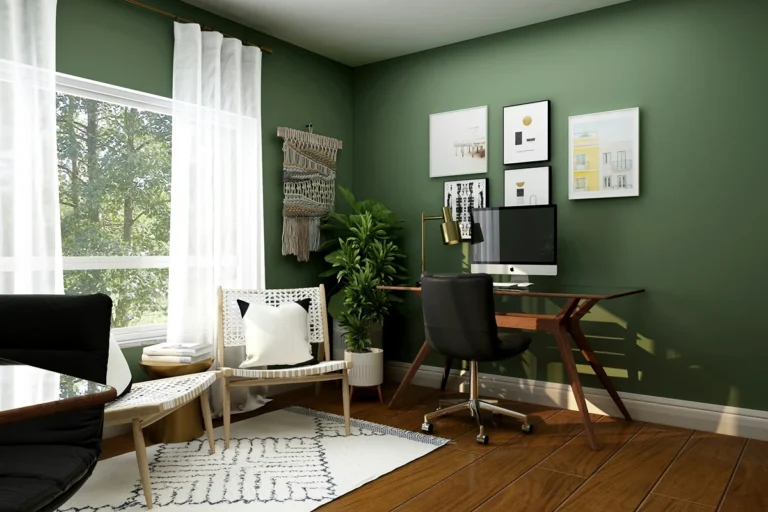
You’ve built motivation, now it’s time to make your space work for you. An environment upgrade turns discipline into design: shaping surroundings that make healthy digital habits effortless. By adding small friction points, like moving your phone out of the bedroom, and creating tech-free zones that signal rest and connection, you shift from willpower to flow. This reset isn’t restriction: it’s liberation. When your environment aligns with your intentions, calm and clarity become your new defaults.
Being “Ready” isn’t about perfection, it’s about trust, momentum, and curiosity. You’ve moved past hesitation and into action, guided by self-efficacy; the belief that you can follow through. This confidence fuels consistency, helping you adapt instead of burn out. By aligning with your Ideal Self and setting intentional, flexible structures, you transform digital habits into harmony. Readiness thrives on reflection, not rigidity: each mindful choice strengthens the rhythm of a confident, balanced digital life.
In a world where every scroll feels like a performance review, it’s easy to confuse self-worth with digital validation. Comparison fatigue creeps in as polished feeds and curated lives whisper, “You’re not enough.” But confidence isn’t built on likes, it’s reclaimed through presence. By setting small digital boundaries, reconnecting with authentic offline moments, and redefining success beyond screens, you can quiet the noise and rediscover the steady confidence that was always yours.
If your weekends feel more like overtime than rest, it’s time to set boundaries. The “always-on” culture fuels exhaustion and burnout, but digital rest can help you recover. By setting clear weekend boundaries—like a tech-free bedroom, a phone-free meal, or a planned unplug block—you reclaim focus and energy. These small, intentional rituals protect your attention, reduce stress, and remind you that rest isn’t a reward—it’s a reset for the week ahead.
Tired of chaotic mornings and restless nights? A simple change: moving your phone out of the bedroom can transform your family’s energy and focus. Research shows that blue light and late-night scrolling disrupt sleep and self-control. Creating phone-free mornings builds healthier bedtime boundaries, reduces digital clutter, and helps families reconnect. This small environmental upgrade brings calm, clarity, and presence back to your mornings - no drastic detox required, just a bedside reset that actually works.
We’re public. The Offline.now Digital Wellness Directory is live - and open to listings. No commission. You own the client relationship. SEO-optimized profiles with deep specialties and filters. Therapists, coaches, social workers, addiction specialists, and counsellors: get discovered for what you actually do - ADHD + screens, doomscrolling, family tech conflict, online dating burnout, notification anxiety. Start a 60-day free trial, then $25/mo or $200/yr. Create your profile in minutes; we verify and publish quickly. Join today. Get listed.