Stress Reduction Techniques

Stress won’t vanish, but your load can feel lighter. This page offers quick resets breath work, micro-breaks, movement, and kinder schedules. You’ll test what reliably brings you back to steady.

Blog posts related to Ready

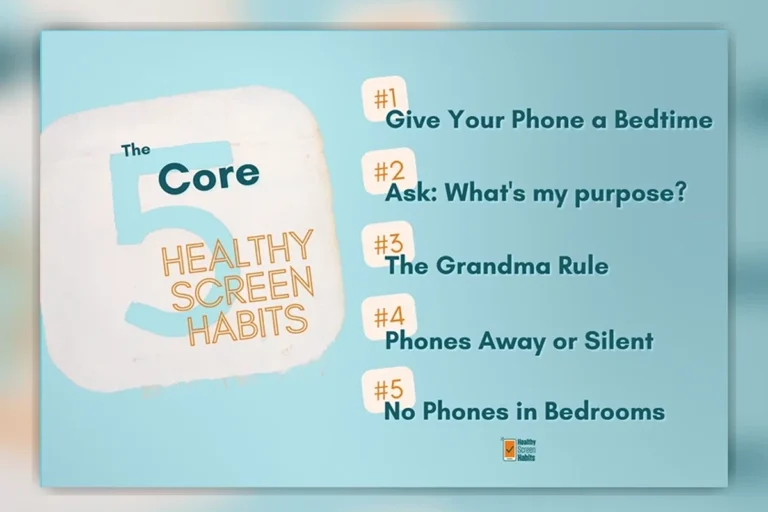
Healthy Screen Habits is helping families rethink screen time with simple, practical habits that prioritize connection over control. Instead of rigid rules or panic, their approach focuses on small, repeatable changes that make technology easier to manage in everyday life. In this post, we highlight their 5 Core Healthy Screen Habits and share a simple 7-day family experiment—small steps that can reduce digital overwhelm and help screens take up less space at home.


Most of us want change without discomfort, yet friction is often the first sign that something new is beginning. This post explores what it truly means to be “change ready,” why mindset matters more than willpower, and how resistance signals growth rather than failure. By shifting your internal narrative and reclaiming a sense of agency, you can move out of old patterns and toward meaningful, sustainable change—even in a world designed to keep you comfortable and distracted.
Nights don’t unravel because you lack discipline, they unravel because your brain hasn’t had a clean transition out of the digital world. When screens stay on until sleep, your nervous system stays on, too. This 15-minute evening reset isn’t about rigid routines or perfection. It’s about creating a gentle boundary between stimulation and rest—so your body can exhale, your mind can settle, and sleep can actually do its job.
Mid-January can feel strangely flat once the holiday buzz fades. Motivation dips, scrolling increases, and life can feel muted—not because you’ve failed, but because your brain is recalibrating after a dopamine-rich season. This post explains the January slump through a nervous system lens and offers gentle, sensory resets that support mood and energy without willpower, pressure, or a forced “new year” overhaul.
If you have ADHD, procrastination isn’t a character flaw—it’s a nervous system response. This post breaks down why starting tasks can feel impossible, how emotion regulation and executive function play a role, and why willpower often fails. With practical, brain-friendly strategies like tiny starts and dopamine bridges, you’ll learn how to move from stuck to starting without shame. You don’t need more discipline. You need safer, kinder ways to begin.
Tired of platforms taking a huge cut of your income or blocking direct contact with clients? Offline.now offers a different path. Our Digital Wellness Directory helps clients find you—without commissions, algorithms, or platform control. You keep 100% of your earnings and maintain full autonomy while reaching people actively seeking help with ADHD + screens, digital anxiety, social media overwhelm, burnout, and device-related stress. Finally, visibility without losing ownership of your practice.