Get help with screen stress
Get screen stress help
A community of experts for screen-time and phone habits.
Browse the Directory
Coaches, therapists, and guides - independent professionals trained in digital overload, burnout, and behavior change. Explore the directory and book a first meeting.
Know where to begin
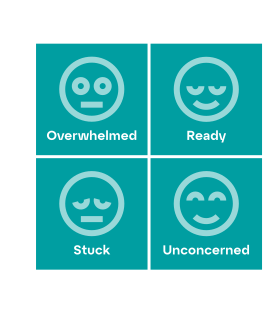
The Offline.now Matrix is your starting place. It puts a name to where you are right now without judgment, so you can take the right first step. Each quadrant offers practical strategies and actions that fit your life.
Want to go deeper? Our book, Offline.now A Practical Guide to Healthy Digital Balance, unpacks the full framework with quadrant-specific guidance designed to make meaningful change feel human, doable, and sustainable.
Available at
Digital balance is an ongoing conversation
Stay up-to-date with news and tips from our blog.
Endless highlight reels trigger FOMO, baiting you into hourly checks that drain joy. Time box feeds into two fifteen minute windows and mute non-critical notifications. Unfollow comparison traps, follow creators who inspire, and reroute boredom with three breaths or a walk. Run a daylong social detox each weekend, logging mood, focus, and sleep changes. When urge spikes, label it, thank it, let it pass. Intentional boundaries keep you connected calm and reclaim evenings for wins.
Desktop chaos silently taxes focus. Random installers, screenshots, and mystery docs spike cortisol and decision fatigue. In thirty minutes you’ll sweep every icon into a temp folder, delete duplicates, archive receipts, and sort keepers into five broad folders. A weekly five minute sweep plus download discipline keeps clutter from rebounding. Treat each drag to Trash as mindful practice - one file, one decision, one breath. Minimal screen equals maximal mental bandwidth, boosting productivity and calm.
Cluttered inboxes steal focus and fuel email anxiety. This quick guide turns your cluttered inbox into a calm task list in just fifteen minutes a day. You will build smart filters to divert newsletters, batch processing into two scheduled windows, and apply the two minute rule to act, defer, or delete before messages snowball. With pings silenced and routines set, workers reclaim five hours a week, lower stress, and protect deep work after hours.
Gaming addiction can sneak up fast when ADHD meets endless dopamine loops. This post explains why hyperfocus, impulsivity, and stress escape make controllers hard to drop, then guides you through a five-step recovery: track triggers, set play-windows, create tech-free zones, swap games for exercise, add mindful pauses, and recruit accountability. Learn the red flags, know when to call professionals, and reclaim balance without quitting play forever. Start mapping your patterns tonight.
Delete that addictive app and reclaim your time. Variable reward loops keep thumbs launching it before you notice. This five step plan starts with clarifying your why, exporting needed data, and logging out everywhere. Next, delete the app, lock re-downloads behind a passcode, and schedule offline replacements like walks or quick calls to friends. Finally, track urges and celebrate streaks. Extra friction plus compelling alternatives breaks the habit loop so focus, sleep, and mood rebound.
Infinite feeds spike dopamine, so ADHD brains slip into scroll trances quickly. Log one week of triggers, noting app, emotion, and time. Next install app timers, mute non-urgent pings, and schedule two free focus blocks daily. Curate accounts and replace impulse swipes with sixty second pause or water break. End each day reviewing mood versus minutes to spot progress. Consistent tweaks reclaim attention, lift sleep quality, and prove social apps can serve you, not siphon energy.