Get help with screen stress

Get screen stress help

Browse the Directory

Coaches, therapists, and guides - independent professionals trained in digital overload, burnout, and behavior change. Explore the directory and book a first meeting.

Know where to begin

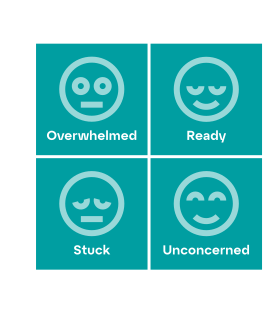
The Offline.now Matrix is your starting place. It puts a name to where you are right now without judgment, so you can take the right first step. Each quadrant offers practical strategies and actions that fit your life.

A 2x2 matrix with four boxes that represent the categories of overwhelmed, ready, stuck and unconcerned. With minimalist cartoon faces that represent each section.
Offline.now A Practical Guide to Healthy Digital Balance

Want to go deeper? Our book, Offline.now A Practical Guide to Healthy Digital Balance, unpacks the full framework with quadrant-specific guidance designed to make meaningful change feel human, doable, and sustainable.

Available at
Available at Amazon

Digital balance is an ongoing conversation

Stay up-to-date with news and tips from our blog.
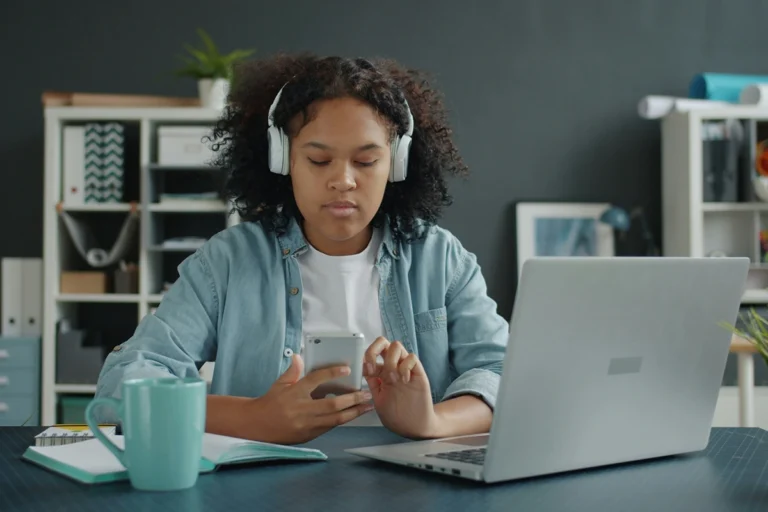
Feeling drained by endless scrolling? You’re not alone. Platforms like TikTok and Reels are designed to hijack your attention, fragmenting focus and fueling digital fatigue. This post introduces a simple fix: the 15-minute media swap. Replace reactive scrolling with intentional, long-form content: a book, a podcast, a meaningful article. With mindful media choices, you can rebuild focus, reclaim calm, and shift from dopamine-driven distraction to deep, intentional attention.
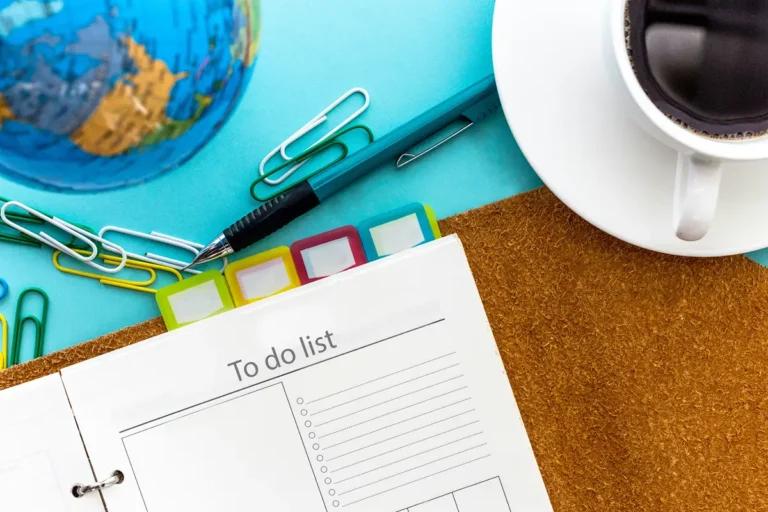
Sharing a home with ADHD means navigating more than forgotten chores; it’s learning to communicate across different brain styles. In neurodiverse relationships, emotional intensity, disorganization, and overwhelm can strain even the strongest bonds. This post helps couples replace blame with curiosity, strengthen empathy, and create shared structure that supports both partners. Learn how small shifts: like asking better questions and setting clear, time-bound systems. This can turn daily chaos into connection and collaboration.
Self-trust is what transforms readiness into real change. It’s built not through intensity, but through integrity; keeping small promises to yourself until consistency becomes confidence. Each micro-win reinforces the belief, “I can rely on myself.” By creating simple, repeatable rules—like phone-free mornings or nightly tech cutoffs, you replace willpower with rhythm. Over time, these habits become second nature, turning motivation into momentum and self-trust into the foundation of lasting digital balance.
When motivation is high but confidence feels shaky, you’re standing on the bridge between Overwhelmed and Ready. Real change begins here, not by pushing harder, but by building trust in yourself through small, compassionate steps. Each micro-win: turning off notifications, setting a five-minute tech-free ritual builds belief and balance. As guilt gives way to grounded progress, you move from emotional exhaustion to calm consistency, transforming digital change from effort into ease.
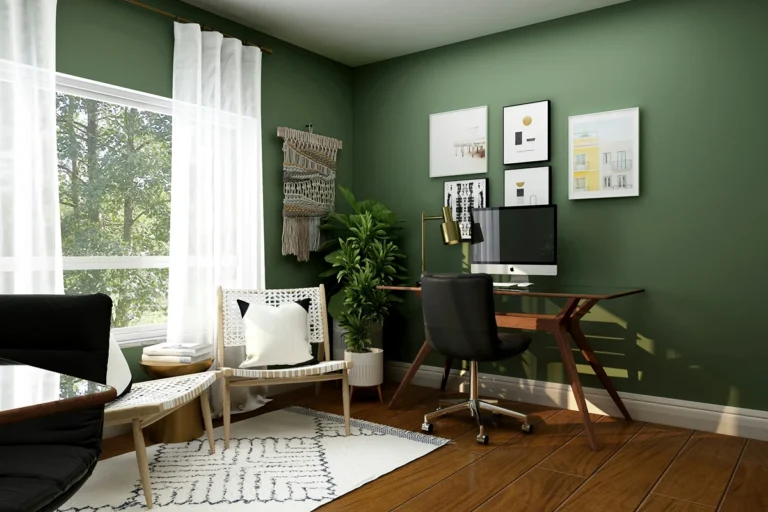
You’ve built motivation, now it’s time to make your space work for you. An environment upgrade turns discipline into design: shaping surroundings that make healthy digital habits effortless. By adding small friction points, like moving your phone out of the bedroom, and creating tech-free zones that signal rest and connection, you shift from willpower to flow. This reset isn’t restriction: it’s liberation. When your environment aligns with your intentions, calm and clarity become your new defaults.
Being “Ready” isn’t about perfection, it’s about trust, momentum, and curiosity. You’ve moved past hesitation and into action, guided by self-efficacy; the belief that you can follow through. This confidence fuels consistency, helping you adapt instead of burn out. By aligning with your Ideal Self and setting intentional, flexible structures, you transform digital habits into harmony. Readiness thrives on reflection, not rigidity: each mindful choice strengthens the rhythm of a confident, balanced digital life.