Digital Burnout

Digital burnout is chronic exhaustion that spreads beyond work into sleep, mood, and relationships — distinct from traditional burnout in that it permeates every context where screens follow you. Evidence-based supports include CBT, behavioral activation, mindfulness-based therapy, boundary-setting work, and clinical sleep support. Offline.now lists a growing network of licensed therapists who work with digital burnout.

Blog posts related to Digital Burnout

You meant to check one thing on your phone. That was forty-five minutes ago. Join Offline.now and the University of Toronto for Screen Life, a free Toronto Tech Week workshop on Thursday, May 28. Take a personal assessment, hear from a curated group of expert practitioners, and leave with a plan that fits your real life.
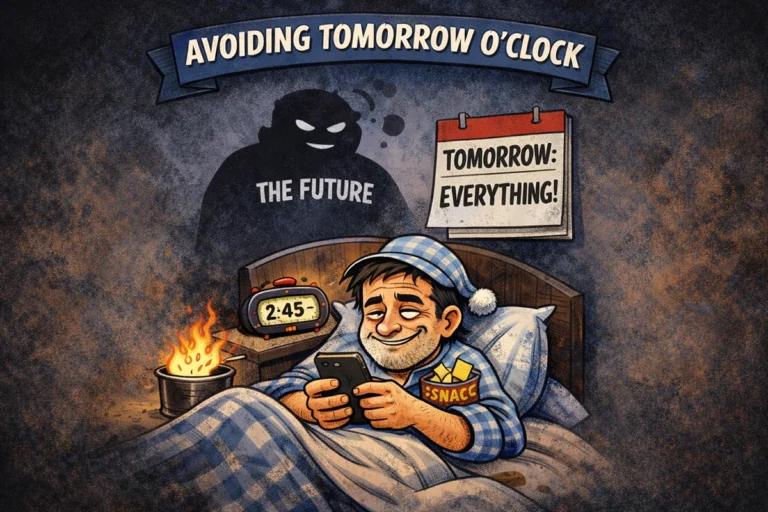
Late-night doom scrolling isn’t really about the phone—it’s about exhaustion, unfinished tasks, and an ADHD brain searching for relief. When the day feels overwhelming and nothing feels complete, endless scrolling offers easy stimulation without expectations. This post explores why burnout and ADHD make nighttime scrolling so common, and how small daytime shifts—like visible task completion and planned endings—can help your brain finally power down instead of staying stuck in the scroll.
If your brain won’t shut up and scrolling leaves you more exhausted, you may be in ADHD burnout. This post explains why ADHD brains burn out differently, how screen time creates a false sense of relief, and why willpower isn’t the solution. With practical, brain-aligned strategies for protecting energy, setting boundaries, and prioritizing real rest, you’ll learn how to recover without forcing yourself to “try harder.”
Mid-January can feel strangely flat once the holiday buzz fades. Motivation dips, scrolling increases, and life can feel muted—not because you’ve failed, but because your brain is recalibrating after a dopamine-rich season. This post explains the January slump through a nervous system lens and offers gentle, sensory resets that support mood and energy without willpower, pressure, or a forced “new year” overhaul.

After recovering from paralysis, Amanda Campbell noticed a pattern among burned-out leaders: they’d tried every strategy, yet their bodies still wouldn’t let them rest. This post explains why burnout isn’t a mindset problem, but a somatic one—and how the THRIVE program was designed to rebuild resilience by addressing the nervous system, stored stress, and the physical realities of digital overload, not just productivity habits.
Many high performers implement digital boundaries perfectly, yet still feel anxious, restless, and unable to truly disconnect. This post explains why behavior change alone can feel like a constant battle, and how chronic nervous system activation drives compulsive phone use. Through a real client story, it shows how somatic work and the BAMBOO Method help the body feel safe offline, making digital wellness strategies sustainable rather than exhausting.