Get help with screen stress

Get screen stress help

Browse the Directory

Coaches, therapists, and guides - independent professionals trained in digital overload, burnout, and behavior change. Explore the directory and book a first meeting.

Know where to begin

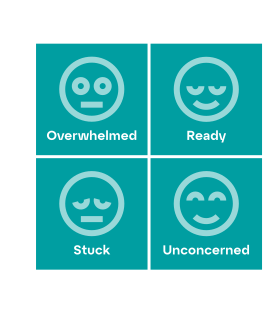
The Offline.now Matrix is your starting place. It puts a name to where you are right now without judgment, so you can take the right first step. Each quadrant offers practical strategies and actions that fit your life.

A 2x2 matrix with four boxes that represent the categories of overwhelmed, ready, stuck and unconcerned. With minimalist cartoon faces that represent each section.
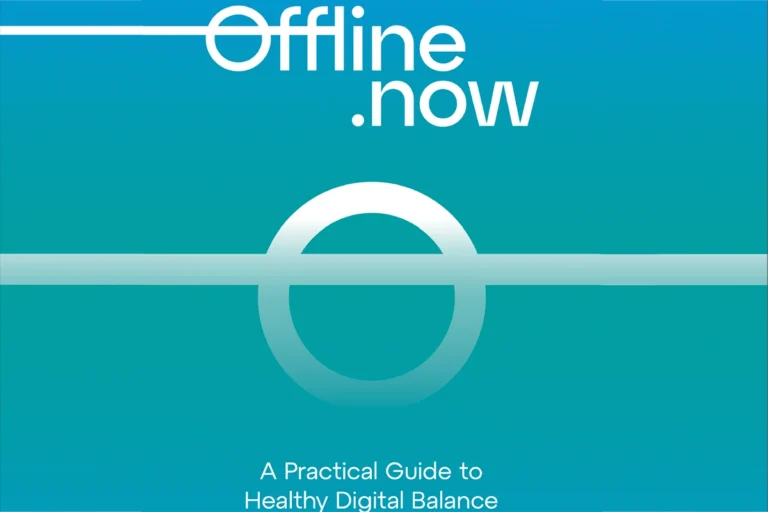
Offline.now A Practical Guide to Healthy Digital Balance

Want to go deeper? Our book, Offline.now A Practical Guide to Healthy Digital Balance, unpacks the full framework with quadrant-specific guidance designed to make meaningful change feel human, doable, and sustainable.

Available at
Available at Amazon

Digital balance is an ongoing conversation

Stay up-to-date with news and tips from our blog.
Feeling tethered to notifications yet anxious to unplug signals a digital diet gone sour. Real balance lets tech serve clear goals instead of stealing attention, sleep, and relationships. Begin with a one-day pickup audit, block phone-free meals, create bedroom and dining no-phone zones, and pause before each tap to ask why. Small, intentional boundaries compound into calmer mood, sharper focus, and richer conversations—without banning the devices you still need.
Smartphones leverage unpredictable rewards to glue us to glowing screens. This post shows how to break the habit loop through five science backed moves: track every unlock and emotion for one day, mute super stimulus notifications, breathe for sixty seconds before taps, park the phone in another room for morning detox windows, and swap digital hits for walks or friend texts. Each tiny experiment weakens cue craving response and proves real world rewards feel better.
Power struggles over tablets drain family peace; a written tech pact turns tension into teamwork. Gather everyone, list shared values like sleep, homework, and laughter, then co-create clear rules on apps, timing, and bedroom screens. Sign, post on fridge, and check wins every Friday, adjusting one clause together. Add a charging basket at dinner, 25-5 homework timers, and praise streaks instead of scolding slips. Kid-approved boundaries build lifelong digital balance and lighter evenings for everyone.
Digital burnout prevention strategies give executives a moat against overload. Begin with a VIP email filter, two review windows, and stop letting the inbox double as a list. Slash meeting overload by defaulting to fifteen minute stand ups and asking “async?” before invites. Protect two daily 90 minute focus blocks behind do not disturb, then anchor recovery habits like 20 squats or 90 second box breathing. Weekly digital diet audits refine boundaries before stress snowballs.
ADHD amplifies digital noise. Bright screens, pings, and infinite feeds bombard sensory circuits, fragmenting focus and draining energy. This post offers five wins: dim and warm displays, corral key apps on one calm home screen, schedule one breathing reset, deploy two minute movement breaks at trigger hours, and carve device free zones in bedroom and dining room. Accessibility tools like Focus mode and speech to text let the phone adapt to you, not vice versa.
Instagram Stories addiction trades quick laughs for stolen hours. Variable rewards, FOMO, and looming expiry keep thumbs tapping. Beat micro-scrolling with three guardrails: batch two 10-minute viewing windows, set app timers that auto-lock Stories afterward, and touch a physical “anchor” object before every impulse swipe. Add purposeful follows and hide streak counts to ease guilt. Intentional viewing restores focus, sleep, and creativity. Start by scheduling tomorrow’s scroll blocks and breathe before tapping.