Digital Balance

Digital balance is about maintaining a healthy relationship with technology. Explore strategies to reduce digital stress, develop balanced internet use, and take control of your screen time for better mental well-being.

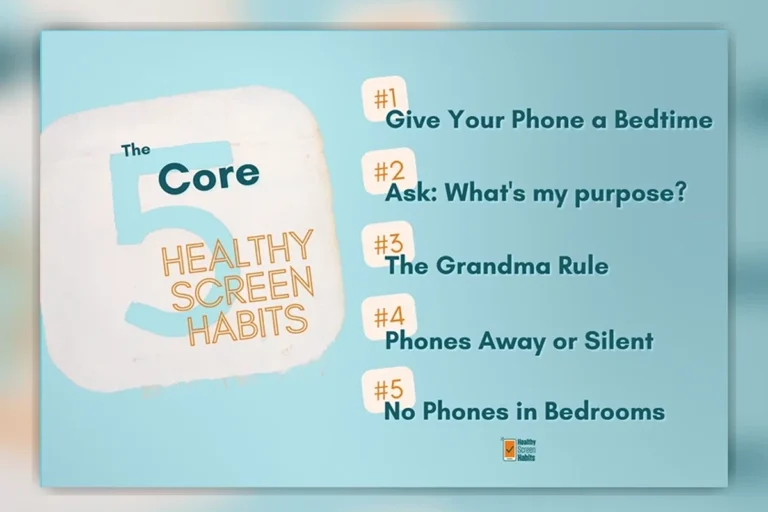
Healthy Screen Habits is helping families rethink screen time with simple, practical habits that prioritize connection over control. Instead of rigid rules or panic, their approach focuses on small, repeatable changes that make technology easier to manage in everyday life. In this post, we highlight their 5 Core Healthy Screen Habits and share a simple 7-day family experiment—small steps that can reduce digital overwhelm and help screens take up less space at home.
When screens enter a relationship, the issue isn’t usually the device itself—it’s what it amplifies. This post explores how different attachment styles respond to stress, why one partner’s scrolling can feel like rejection to another, and how emotional availability erodes quietly over time. Instead of blame or shame, it invites curiosity about what’s happening beneath the surface, reminding us that screens don’t break connection—they expose where it already feels fragile.
Winter mornings often start with a phone, not the sun. While scrolling may feel like a wake-up ritual, blue light and reactive content can overstimulate your nervous system before the day begins. This post explores why swapping screens for real light, gentle movement, and sensory grounding can lift mood and restore calm. Learn how small morning shifts not rigid routines support winter wellness and sustainable digital balance.
January planning can feel especially heavy if you have ADHD—big goals spark a burst of motivation, then quickly collapse into overwhelm and shame. This post reframes New Year planning through an ADHD-friendly lens, explaining why traditional resolutions fail and how tiny starts, visual rules, and time anchoring create momentum without pressure. Instead of chasing a “new you,” you’ll learn how to design systems that support your brain, reduce friction, and make progress feel possible again.
Many high performers implement digital boundaries perfectly, yet still feel anxious, restless, and unable to truly disconnect. This post explains why behavior change alone can feel like a constant battle, and how chronic nervous system activation drives compulsive phone use. Through a real client story, it shows how somatic work and the BAMBOO Method help the body feel safe offline, making digital wellness strategies sustainable rather than exhausting.
Winter’s long, dark evenings can quietly pull us into hours of scrolling that leave us more tired, not less. This post explores why winter screen time hits differently, how dopamine, blue light, and sleep disruption play a role, and why it’s not a willpower issue. Most importantly, it offers gentle, realistic swaps no rigid rules that help you restore energy, improve mood, and find comfort that truly replenishes you during the colder months.
If you’ve ever opened your phone to “check one thing” and resurfaced an hour later wondering what just happened, you’re not alone. Digital Balance 101 is your gentle, practical guide to creating a healthier relationship with your screens. Learn how to identify your current habits, understand why your phone feels so sticky, and explore small, realistic steps that help you feel calmer, more present, and back in control of your attention.
If your emotions feel “too much,” you’re not broken, you’re human. Many adults with ADHD experience emotional intensity, overwhelm, and rejection sensitivity that make daily life exhausting. This post teaches you how to ride the feeling, not fight it, using small, science-backed steps to calm your nervous system and build self-trust. Learn the simple Notice → Pause → Choose method to replace shame with self-compassion and regain your emotional balance one gentle moment at a time.
Feeling stretched thin and constantly plugged in? You don’t need a full digital detox to reclaim calm. This post introduces the one-step weekly boundary; a gentle, realistic way to reduce overwhelm and regain focus. Learn how to set a simple phone-free routine, align it with your values, and use quick reflection prompts to stay consistent. One mindful boundary a week can rebuild confidence, balance, and digital clarity.
You’ve built motivation, now it’s time to make your space work for you. An environment upgrade turns discipline into design: shaping surroundings that make healthy digital habits effortless. By adding small friction points, like moving your phone out of the bedroom, and creating tech-free zones that signal rest and connection, you shift from willpower to flow. This reset isn’t restriction: it’s liberation. When your environment aligns with your intentions, calm and clarity become your new defaults.
Being “Ready” isn’t about perfection, it’s about trust, momentum, and curiosity. You’ve moved past hesitation and into action, guided by self-efficacy; the belief that you can follow through. This confidence fuels consistency, helping you adapt instead of burn out. By aligning with your Ideal Self and setting intentional, flexible structures, you transform digital habits into harmony. Readiness thrives on reflection, not rigidity: each mindful choice strengthens the rhythm of a confident, balanced digital life.
Tired of chaotic mornings and restless nights? A simple change: moving your phone out of the bedroom can transform your family’s energy and focus. Research shows that blue light and late-night scrolling disrupt sleep and self-control. Creating phone-free mornings builds healthier bedtime boundaries, reduces digital clutter, and helps families reconnect. This small environmental upgrade brings calm, clarity, and presence back to your mornings - no drastic detox required, just a bedside reset that actually works.
We’re public. The Offline.now Digital Wellness Directory is live - and open to listings. No commission. You own the client relationship. SEO-optimized profiles with deep specialties and filters. Therapists, coaches, social workers, addiction specialists, and counsellors: get discovered for what you actually do - ADHD + screens, doomscrolling, family tech conflict, online dating burnout, notification anxiety. Start a 60-day free trial, then $25/mo or $200/yr. Create your profile in minutes; we verify and publish quickly. Join today. Get listed.
Feeling wiped out after endless Zoom calls? You’re not alone. Zoom fatigue is a unique kind of digital exhaustion caused by constant visibility and cognitive overload. The pressure to stay camera-ready blurs work–life boundaries and drains focus. The good news: simple boundaries can help. Learn how camera-optional meetings, focus blocks, and asynchronous tools reduce video call stress, rebuild attention, and make remote work feel human again—without sacrificing connection.
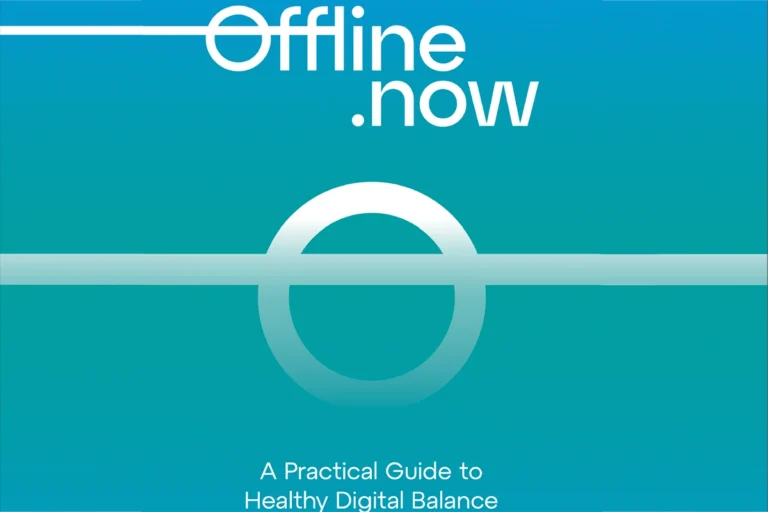
If “just a minute” on your phone turns into forty-five, Offline.now: A Practical Guide to Healthy Digital Balance is for you. Drawing from years spent shaping online communities - and a personal ADHD journey. This book introduces the Offline.now Matrix, a simple self-check to help you start small and stay balanced. With bite-sized chapters, practical steps, and zero guilt, it’s your roadmap to reclaim focus and reconnect with real life, one mindful moment at a time.
Sunday evenings can feel like the week is already slipping away: emails, worries, and unfinished tasks crowding in. A Sunday reset changes that. By setting one intentional boundary; whether it’s a no-email rule after 6 p.m. or a screen-free ritual. You reclaim your evening and protect your energy for the week ahead. This simple planning ritual creates calm, prevents anxiety, and helps you start Monday with focus, balance, and the confidence that you’re in control.
Motivation can spark change, but without confidence it quickly fizzles. This is the confidence gap: the space between wanting to change and believing you can. Research shows that lasting behavior shift isn’t about sheer willpower; it’s about stacking tiny wins. Each small success builds proof you’re capable, turning fragile motivation into lasting momentum. By lowering the bar, adding positive habits, and chunking goals, you create evidence of progress and confidence grows with every step.
Remote work makes it harder than ever to switch off and many employees fear that saying no means falling behind. This constant pressure creates digital boundaries stress, draining focus and fueling burnout. The solution isn’t disconnection, but intentional, proactive boundary setting. With simple scripts, micro-routines, and smart tech use, you can communicate limits without guilt, protect your well-being, and still deliver high-quality results. Boundaries aren’t resistance, they’re the foundation of sustainable performance.
Are you feeling the weight of digital identity stress? Today’s young professionals and creators juggle the pressure of curating a flawless online persona with the longing for authenticity and the fear of lost privacy. This post explores how constant comparison and surveillance drive authenticity anxiety, and how mindful digital use frameworks can restore balance. Learn to align your digital life with your real values and reclaim confidence, authenticity, and well-being online.
The Offline.now Matrix is your map to digital balance a 2×2 tool that helps you identify where you are on the spectrum of motivation and confidence. Whether you’re Overwhelmed, Ready, Stuck, or Unconcerned, you’ll find micro-strategies tailored to your starting point. In just two quiz questions, you can pinpoint your quadrant and take intentional, practical steps toward feeling more in control of your time, attention, and energy without ditching your devices.
The Offline.now Matrix may look simple, but it’s built on decades of research in self-efficacy, stages of change, and positive psychology. By mapping motivation and confidence, it meets you where you are without judgment and pairs you with science-backed micro-strategies for lasting change. From BJ Fogg’s tiny habits to emerging screen time studies, this framework turns proven theory into practical steps for digital balance. Start small, stay consistent, and discover your quadrant with our quick quiz.
The Single Room Rule is a behaviorally informed strategy to reduce phone dependency by designating a single space for device use. Grounded in habit science and digital wellness research, this method minimizes environmental triggers, boosts self-regulation, and encourages intentional tech use. Ideal for parents, professionals, and students alike, this practical approach helps you reclaim attention, improve sleep, and foster real-world connection without relying on willpower alone. A small boundary that yields measurable psychological benefits.
Is your phone packed with 20,000 photos you never scroll? That silent stress is digital hoarding—cloud clutter that drains focus and sparks guilt. This post rewrites decluttering as self-care: clarify your “why,” nail quick wins like duplicate deletion and screenshot sweeps, mute non-essential notifications, and schedule device-free zones to stop new piles forming. Progress, not perfection, is the rule. Finish by creating a bite-size declutter checklist and start curating memories that actually matter.
Digital balance for college students is a survival skill. Buzzing phones split attention, hurt grades, and heighten anxiety. This guide delivers seven wins: audit screen time, declare tech free zones like library desks, batch notifications, run one screen study sessions, follow the 20-20-20 eye rule, try weekly social media fasts, and practice digital mindfulness before unlocking. Start with one tactic, track mood for a week, then layer another. Small, consistent tweaks beat heroic detox marathons.
Finding digital wellness begins with acknowledging that tech is a tool, not a tyrant. Offline Now gathers neuroscience backed tactics that tame endless reels, midnight doomscrolls, and always on work pings. Explore guides on phone breakups, family tech pacts, blue light sleep fixes, and digital pomodoro focus bursts, then choose one tiny step tonight-like silencing notifications at dinner. Small, intentional habits cascade into calmer minds, deeper relationships, and productivity that feels good instead of frantic.
Our Digital Balance Hub is a living library that matches your Offline.now Matrix quadrant to bite size, science backed actions. Navigate quick-start cards, micro lesson videos, and chatbot coaching without hunting menus. Toggle filters for five minute, fifteen minute, or weekend challenges and bookmark progress dashboards. Monthly updates drop fresh tactics, while community forums swap wins and troubleshoot stalls. Set one alert, open today, pick a tiny move, and feel digital wellness compound all week.

Inside this evidence based field guide you’ll map your Pivot Matrix quadrant and unlock tailored micro steps. Short quizzes surface habits, then pages send Overwhelmed, Ready, Stuck, or Unconcerned readers straight to right sized tactics. Expect two minute wins like phone baskets, blue light sunsets, and detox weekends, plus reflection prompts to track momentum. Progress logs and QR links to our hub keep learning. Grab the book, test one tactic tonight, and feel bandwidth grow.
Feeling tethered to notifications yet anxious to unplug signals a digital diet gone sour. Real balance lets tech serve clear goals instead of stealing attention, sleep, and relationships. Begin with a one-day pickup audit, block phone-free meals, create bedroom and dining no-phone zones, and pause before each tap to ask why. Small, intentional boundaries compound into calmer mood, sharper focus, and richer conversations—without banning the devices you still need.
Smartphones leverage unpredictable rewards to glue us to glowing screens. This post shows how to break the habit loop through five science backed moves: track every unlock and emotion for one day, mute super stimulus notifications, breathe for sixty seconds before taps, park the phone in another room for morning detox windows, and swap digital hits for walks or friend texts. Each tiny experiment weakens cue craving response and proves real world rewards feel better.


Digital burnout prevention strategies give executives a moat against overload. Begin with a VIP email filter, two review windows, and stop letting the inbox double as a list. Slash meeting overload by defaulting to fifteen minute stand ups and asking “async?” before invites. Protect two daily 90 minute focus blocks behind do not disturb, then anchor recovery habits like 20 squats or 90 second box breathing. Weekly digital diet audits refine boundaries before stress snowballs.
ADHD amplifies digital noise. Bright screens, pings, and infinite feeds bombard sensory circuits, fragmenting focus and draining energy. This post offers five wins: dim and warm displays, corral key apps on one calm home screen, schedule one breathing reset, deploy two minute movement breaks at trigger hours, and carve device free zones in bedroom and dining room. Accessibility tools like Focus mode and speech to text let the phone adapt to you, not vice versa.
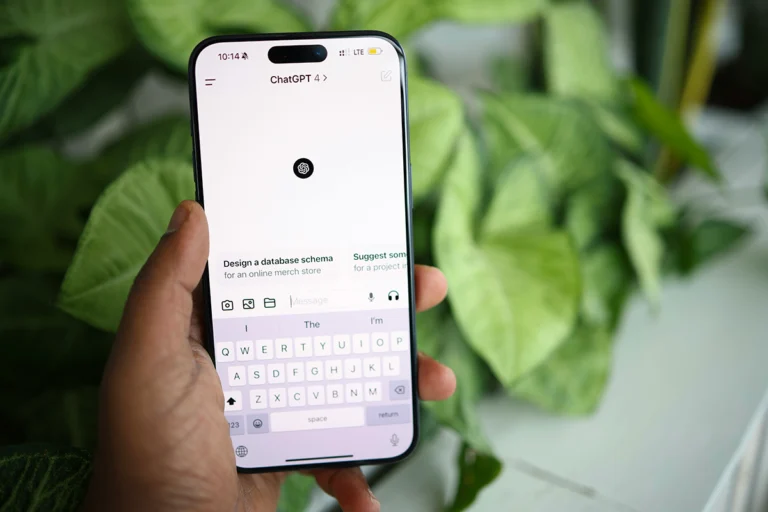
Rapid AI upgrades excite yet exhaust. Constant feature drops spark FOMO, black box worry, and pressure to automate everything. This article delivers quick ChatGPT anxiety solutions: time box usage into two daily blocks, keep an AI wish list to curb rabbit holes, pause and breathe before sending prompts, lock apps after 8pm, and remember you can leverage AI on your terms. Structured windows turn ChatGPT from stressor into tool, preserving sleep, motivation, and clarity daily.
Device free family time starts with a shared tech pact. Instead of nagging, gather everyone to list screen joys and pains, agree on dinner table and bedroom phone bans, and pick one screen free evening each week. Create a central charging station, swap scrolling for quick games or cooking together, and review the pact monthly to tweak rules. Families who protect conversation windows report richer connection, calmer bedtimes, and kids who learn lifelong digital balance.
Endless swiping can feel like a second job, draining self-esteem and hiding real connection. Pause all matching apps for a week to calm dopamine cravings, then rebuild offline confidence through hobby meet-ups, micro-volunteering, and friend introductions. When you reinstall, limit checks to two 15-minute windows, message only shared-interest matches, and suggest an in-person coffee within three exchanges. Intentional rules transform dating apps into tools instead of energy sinks, restoring mood and hope.
Even thirty minutes of evening screen light can slash melatonin and delay sleep. This guide explains why blue wavelengths plus doomscrolling create nights, then shares a simple digital sunset ritual: taper screens two hours before bed, enable night filters and dim lamps, charge phones outside the door, and replace scrolling with books or gentle stretches. Red shift apps and CBT-I tools help, but turning them off an hour early keeps the ritual clean and effective.
Deep work strategies give your brain the uninterrupted stretches needed for complex thinking and career edge. This distraction survival guide teaches you to time block 90 minute focus windows, silence every non-essential notification, and restore attention with five minute nature breaks. You’ll pair digital minimalism with weekly rituals that prime the mind for flow and end the day with an audit to refine tomorrow. Result: higher output, faster learning, and lower technostress without quitting tech.
Doomscrolling exploits our threat radar, rewarding each alarming headline with a dopamine jolt. Break the loop using five evidence-backed moves: schedule two short news windows, mute breaking alerts, ask “Is this actionable?” before reading, insert 24-hour detox sprints, and follow solution-oriented outlets to balance bias. These steps calm the amygdala, cut anxiety, and free cognitive bandwidth for real work. Pick one tactic today, log mood changes, and watch urgency shrink.
LinkedIn anxiety sparks career FOMO every time a promotion post pops up. This toolkit swaps comparison for clarity in five steps: schedule two 15-minute LinkedIn blocks, mute trigger accounts, log three weekly wins to anchor self-worth, send one intentional outreach note, and unplug for a LinkedIn-free weekend each month. These habits cut distraction, protect sleep, and sustain meaningful networking. Add Friday progress logs and watch stress drop while real opportunities rise.
Micro stressors like battery anxiety and nonstop alerts quietly raise cortisol all day. Start a 48 hour experiment: park phone three feet away while working, stash chargers in key spots, and silence one low value app. Log mood and focus every two hours. Most users report calmer breath, faster task switching, and deeper evening relaxation within days. Stack additional tweaks weekly until stress recedes to background whisper. Celebrate gains and refine boundaries that keep tech.
Digital overwhelm solutions start with acceptance, not shame. If motivation feels flat, use micro moves: power pause phones off for five minutes, leave the device outside the bedroom tonight, or read one printed page before scrolling. Label negative self talk and reframe: “I haven’t succeeded yet.” Chart offline versus online feelings to spotlight energy leaks. Each tiny win boosts dopamine, restoring momentum that nudges you from stuck toward action without requiring heroic forty eight detoxes.
Digital minimalism tips help motivated users move from basic hygiene to deep focus. Start by hard uninstalling your top three mindless apps, then batch check notifications at 9, 1, and 5. Guard mornings and meals as phone free zones and schedule one 24 hour digital free sprint each month. Turning off every alert except VIP calls plus nightly analog hobbies lowers cortisol and restores attention. Intentional curation proves tech serves values, not reflex scrolling loops.
Need screen-time balance but feel drained? Start with this five-step planner: enjoy one phone-free meal, swap the last five minutes of night scrolling for a book or breath, tackle boredom with a two-minute offline substitute, silence one non-essential app, and post a sticky note listing why balance matters. Micro wins build confidence, lower stress, and spark momentum. Pick one step for tomorrow and celebrate the lift in focus and daily calm.