Blog
Welcome to the Offline.now Blog - your trusted resource for navigating digital detox and reclaiming balance.
Explore daily insights into managing phone stress, reducing screen time, curbing doomscrolling, and practical digital wellness strategies. Let our science-backed tips and expert advice empower you to build a healthy relationship with technology.
Individual therapy can help you understand the deeper patterns behind recurring relationship conflict. By building emotional awareness, recognizing stress responses, and exploring past experiences, therapy can create more space to communicate honestly, respond differently, and feel more connected in your relationships.
If reading used to feel effortless but now you find yourself reaching for your phone instead, you're not alone. This article explores how constant scrolling reshapes your attention, why books feel harder to focus on, and the simple, research-backed habits that can help you rebuild a sustainable reading routine, without relying on willpower or a complete digital detox.
Build a healthier relationship with your phone without another app, detox, or complicated system. Learn how small, low-friction changes can reduce mindless scrolling and make healthier phone habits easier to maintain
Constant phone use can drain more than your time, it can fragment your attention, increase low-grade stress, and interfere with sleep. For high-achieving women balancing demanding careers, caregiving, and constant reachability, a few practical boundaries can make a meaningful difference without requiring a dramatic digital detox.
If your phone is keeping you awake, the solution is rarely a single setting or a dramatic digital detox. Phone-related insomnia is driven by both screen light and mental stimulation, so what works best is a repeatable system: set a specific cutoff, change your environment, replace the habit with a low-effort wind-down activity, and build the change gradually. The goal is not perfection or more willpower, it’s finding a starting point small enough to actually stick.
If you find yourself reaching for your phone every night, it may have less to do with willpower than with how deeply the habit is tied to your routine, reward, and need for relief. Bedtime scrolling can feel automatic, especially when you're tired, stressed, bored, or trying to reclaim a little personal time at the end of the day. The good news is that breaking the loop doesn't require a dramatic reset. Small environmental changes, realistic routines, and a starting point that matches your confidence can make lasting change much more achievable.

If you have tried app limits, digital detoxes, and countless “fresh starts” but still find yourself reaching for your phone on autopilot, the problem may not be your discipline, it may be the system around the habit. This guide explains why common approaches fail and offers a practical, research-informed way to reduce unconscious phone use by identifying triggers, changing your environment, creating specific if-then plans, and building small habits you can actually sustain.
Online attachment quizzes may offer quick labels, but they often miss how modern digital habits can intensify relationship anxiety. This article explores the clinical roots of attachment and how constant connectivity, read receipts, instant reassurance, dating apps, and digital availability can amplify insecurity. It also shares practical strategies for creating healthier communication boundaries and building greater emotional safety in adult relationships.
When ADHD affects the rhythm of family life, mornings, homework, transitions, and bedtime can quickly become sources of daily stress. ADHD parent coaching can help by turning those pressure points into practical, repeatable systems. From routine-building and executive function support to behaviorally informed strategies and caregiver consistency, the right coaching can help families reduce chaos, strengthen follow-through, and create a calmer home environment, without expecting perfection.
Rebuilding confidence after midlife divorce starts with small, intentional steps. From creating new routines and making postponed decisions to practicing self-kindness and seeking the right support, women can gradually rebuild self-trust, clarity, and a steadier sense of self for the next chapter.
Entrepreneurs often know exactly what they want to accomplish but struggle to turn competing priorities into consistent action. ADHD coaching with structured accountability can help by making priorities clearer, breaking large goals into manageable steps, and creating practical systems for meeting deadlines. For business owners dealing with time management, focus, and follow-through challenges, the right coaching support can make it easier to protect important work from constant distractions and build habits that last.
When work pressure, digital overload, caregiving, and everyday uncertainty start to feel overwhelming, finding the right support can make a meaningful difference. This guide explores how to recognize when stress may be affecting your wellbeing, what to look for in a therapist, and why personalized, Gestalt-informed care can help you build greater self-awareness, self-compassion, and emotional space.
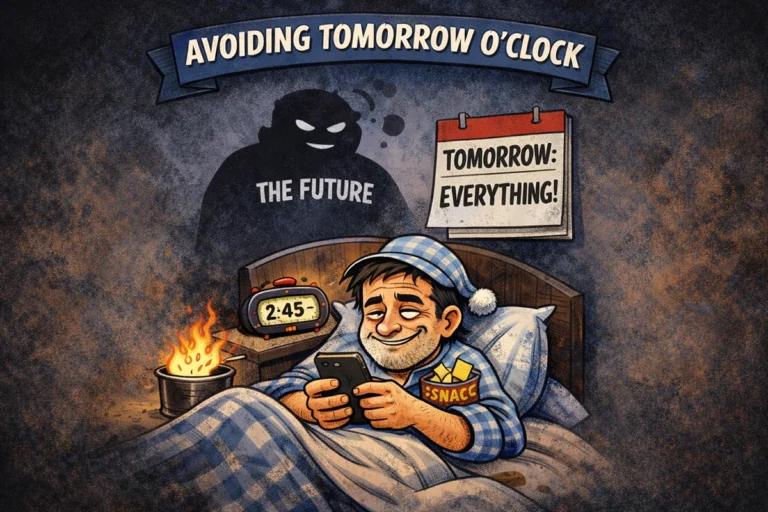
Late-night doom scrolling isn’t really about the phone—it’s about exhaustion, unfinished tasks, and an ADHD brain searching for relief. When the day feels overwhelming and nothing feels complete, endless scrolling offers easy stimulation without expectations. This post explores why burnout and ADHD make nighttime scrolling so common, and how small daytime shifts—like visible task completion and planned endings—can help your brain finally power down instead of staying stuck in the scroll.
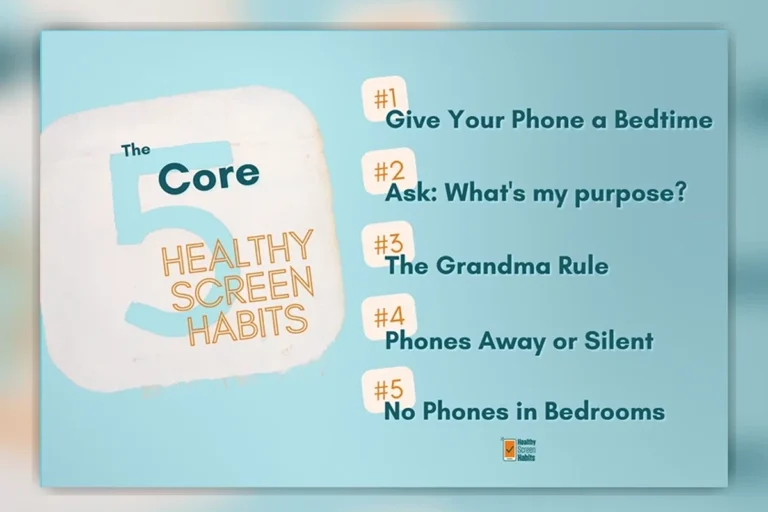
Healthy Screen Habits is helping families rethink screen time with simple, practical habits that prioritize connection over control. Instead of rigid rules or panic, their approach focuses on small, repeatable changes that make technology easier to manage in everyday life. In this post, we highlight their 5 Core Healthy Screen Habits and share a simple 7-day family experiment—small steps that can reduce digital overwhelm and help screens take up less space at home.
If your brain won’t shut up and scrolling leaves you more exhausted, you may be in ADHD burnout. This post explains why ADHD brains burn out differently, how screen time creates a false sense of relief, and why willpower isn’t the solution. With practical, brain-aligned strategies for protecting energy, setting boundaries, and prioritizing real rest, you’ll learn how to recover without forcing yourself to “try harder.”
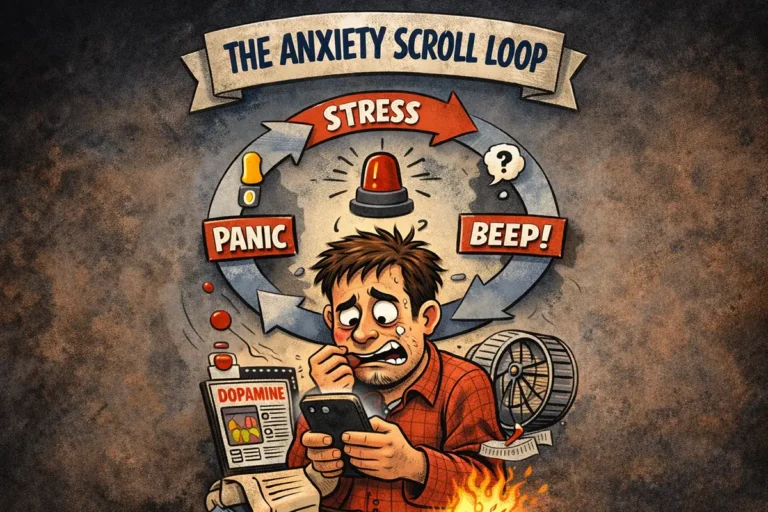
Doom scrolling doesn’t calm anxiety—it intensifies it. For ADHD brains, scrolling can become a regulation loop where fear sharpens focus and activation gets mistaken for relief. By the time you want to stop, executive function is already offline. This post explains why restriction alone fails and why the real solution is sequence: regulate your nervous system first, then redirect the behavior. It’s not a discipline problem—it’s a regulation one.
Feeling replaced by a screen can cut deeper than distraction—it can touch on desirability, safety, and emotional access. This post explores when screens genuinely erode intimacy and when they function as a coping strategy for stress, resentment, or vulnerability. Instead of focusing only on tech rules, it examines the emotional context beneath disconnection and why rebuilding safety often matters more than banning phones from the bedroom.
When screens enter a relationship, the issue isn’t usually the device itself—it’s what it amplifies. This post explores how different attachment styles respond to stress, why one partner’s scrolling can feel like rejection to another, and how emotional availability erodes quietly over time. Instead of blame or shame, it invites curiosity about what’s happening beneath the surface, reminding us that screens don’t break connection—they expose where it already feels fragile.