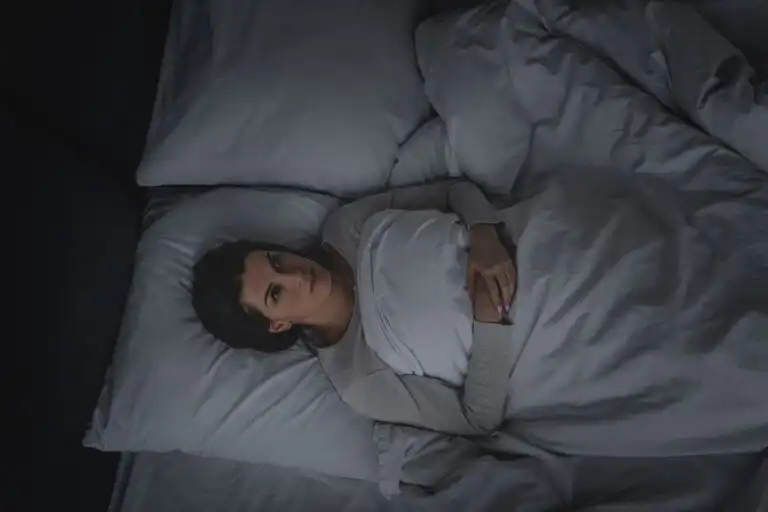
Improving Sleep Hygiene Coaching

Improving sleep hygiene coaching is the practical work of designing the conditions—wind-down routines, screen boundaries, bedroom setup, circadian rhythm—that make consistent sleep more likely. Coaches treat sleep as foundational; nothing else holds when nights are short and lit. Offline.now lists sleep hygiene trained coaches for digital wellness.

Blog posts related to Blue Light

Teens who used their phones more after 10 p.m. slept 20 minutes less (Zhao, 2026). The phone rules that hold name one place and one time.
Phone use and sleep problems correlate at 0.38 across 63 studies (Okunlola, 2026). What helps with insomnia from night phone use, in order.
Adults spend 6 hours 38 minutes a day online (GWI). What counts as too much screen time in 2026, and the one setup change that beats a cap.
If you keep picking up your phone without meaning to, you’re not lacking discipline—you’re stuck in a loop. This post breaks down why compulsive checking happens and introduces a simple 3-part framework to interrupt it: recognize the trigger, insert one small pause, and add gentle friction to the environment. With practical scripts and a 24-hour experiment, you’ll have something concrete to try tonight—no shame, no detox required.
If you keep switching between email, Slack, and social media yet feel like nothing gets done, you may be experiencing task-switching debt. For ADHD brains, every unfinished task creates cognitive tension that quietly pulls attention back again and again. This post explains how switching debt builds throughout the day and shares simple micro-experiments to reduce open loops, lower mental fatigue, and make it easier to return to the work that actually matters.
Feeling replaced by a screen can cut deeper than distraction—it can touch on desirability, safety, and emotional access. This post explores when screens genuinely erode intimacy and when they function as a coping strategy for stress, resentment, or vulnerability. Instead of focusing only on tech rules, it examines the emotional context beneath disconnection and why rebuilding safety often matters more than banning phones from the bedroom.