Get help with screen stress

Get screen stress help

Browse the Directory

Coaches, therapists, and guides - independent professionals trained in digital overload, burnout, and behavior change. Explore the directory and book a first meeting.

Know where to begin

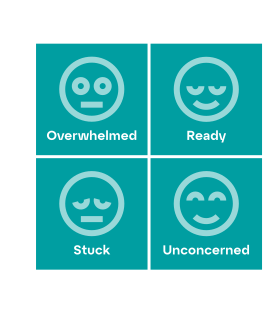
The Offline.now Matrix is your starting place. It puts a name to where you are right now without judgment, so you can take the right first step. Each quadrant offers practical strategies and actions that fit your life.

A 2x2 matrix with four boxes that represent the categories of overwhelmed, ready, stuck and unconcerned. With minimalist cartoon faces that represent each section.
Offline.now A Practical Guide to Healthy Digital Balance

Want to go deeper? Our book, Offline.now A Practical Guide to Healthy Digital Balance, unpacks the full framework with quadrant-specific guidance designed to make meaningful change feel human, doable, and sustainable.

Available at
Available at Amazon

Digital balance is an ongoing conversation

Stay up-to-date with news and tips from our blog.
Stuck doesn’t equal failure; it signals low energy and confidence. Lift mood first: jot one gratitude snapshot, soak two minutes of sunlight, or breathe three deep breaths. When brighter, slip in five minute phone exile or color coded mood calendar without judgment. Small, repeatable wins release dopamine, rebuild belief, and create momentum. Consistency beats intensity. Pebble upon pebble forms a path. Gentle persistence turns the wheel, nudging you from stuck to overwhelmed, then ready soon.
You’ve nailed the basics and crave a stretch goal. Advanced balance starts here. Try a 30 day social sabbatical, batch notifications into two ten minute windows, or level up accountability with screen time screenshots and playful stakes. Flow theory says challenge matching skill sparks engagement, so these tactics keep motivation high without burnout. Review progress monthly, adjust pace, and share wins to mentor others. Growth shifts from restraint to intentional tech minimalism that energizes life.
Feeling overwhelmed by screens doesn’t mean you lack willpower. Apps are engineered for frictionless relapse. This post rebuilds confidence through tiny wins: delete three derailment apps for a week, charge the phone outside the bedroom to enjoy a screen free sunrise, and track each resisted check in a notebook. Each micro victory triggers dopamine and proves you can steer habits. Celebrate, breathe, repeat - gentle momentum lifts you from overwhelmed toward ready for bigger moves.
Feeling tethered to notifications yet anxious to unplug signals a digital diet gone sour. Real balance lets tech serve clear goals instead of stealing attention, sleep, and relationships. Begin with a one-day pickup audit, block phone-free meals, create bedroom and dining no-phone zones, and pause before each tap to ask why. Small, intentional boundaries compound into calmer mood, sharper focus, and richer conversations—without banning the devices you still need.
Smartphones leverage unpredictable rewards to glue us to glowing screens. This post shows how to break the habit loop through five science backed moves: track every unlock and emotion for one day, mute super stimulus notifications, breathe for sixty seconds before taps, park the phone in another room for morning detox windows, and swap digital hits for walks or friend texts. Each tiny experiment weakens cue craving response and proves real world rewards feel better.
Power struggles over tablets drain family peace; a written tech pact turns tension into teamwork. Gather everyone, list shared values like sleep, homework, and laughter, then co-create clear rules on apps, timing, and bedroom screens. Sign, post on fridge, and check wins every Friday, adjusting one clause together. Add a charging basket at dinner, 25-5 homework timers, and praise streaks instead of scolding slips. Kid-approved boundaries build lifelong digital balance and lighter evenings for everyone.