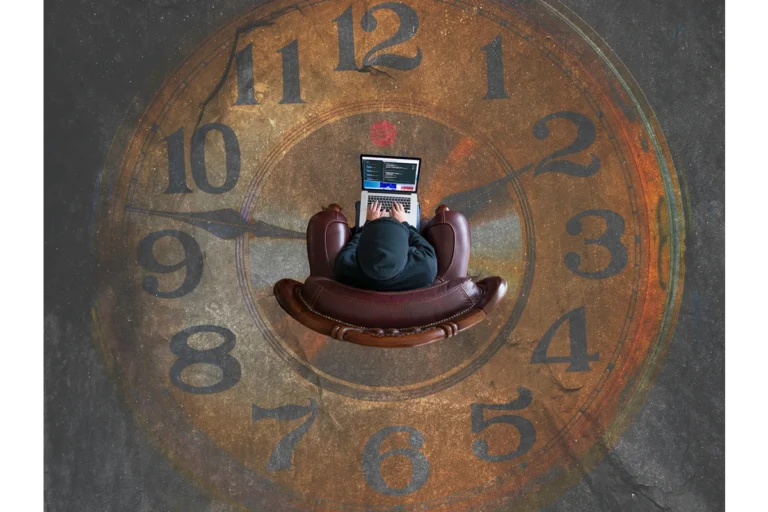
ADHD Specific Digital Management Strategies

ADHD brains and always-on tech are a uniquely painful match. Visual timers, exit ramps out of apps, cue-based routines, and setups designed around your actual attention pattern—not a neurotypical productivity fantasy—are where an ADHD coach actually helps. Offline.now’s therapists and coaches know the terrain.

Blog posts related to Executive Function

Struggling to stay focused during study sessions? You’re not alone, distractions are everywhere, but the right sounds may help. Science shows that focus playlists, brown noise study music, and Pomodoro tracks can create a steady environment that sharpens concentration and prevents burnout. But not all audio works: podcasts, for example, often overload the brain. Learn how to test which sound strategy works best for you, and build a personalized audio routine that truly supports your productivity.
Digital wellness tools from screen-time apps to hybrid coaching platforms are reshaping how we manage focus, sleep, and mental health. While early evidence shows promise, questions remain about long-term impact, equity, and privacy. This review highlights what works, where risks lie, and why hybrid approaches offer the most balanced path forward. With clear research gaps and urgent policy needs, the future of healthy tech boundaries depends on evidence-driven action across academia, industry, and regulation.
Time blindness is a common yet often misunderstood challenge for individuals with ADHD. It goes beyond poor time management: impacting focus, planning, and emotional regulation. The ADHD brain naturally gravitates toward immediate stimulation, making delayed rewards difficult to conceptualize. Research highlights that effective support requires a multifaceted approach, blending cognitive, behavioral, psychological, and environmental strategies. By reframing time perception and building layered systems, individuals with ADHD can better manage productivity and daily routines.

Do constant pings, buzzes, and pop-ups keep hijacking your attention? You’re not alone. Notifications are designed to pull you in but they also fuel stress, anxiety, and distraction. This guide explores why alerts feel overwhelming, how they impact your brain, and practical ways to quiet the noise. From mastering Do Not Disturb settings to creating tech-free zones, you’ll learn simple, sustainable strategies to reduce digital overwhelm, protect your focus, and take back control of your time and peace of mind.

Boredom isn’t wasted time, it’s your creativity engine. When you stop filling every lull with screens, the brain shifts into default mode daydreaming, where ideas collide and insights surface. This post reframes boredom as a healthy pause, unpacks the science of mind-wandering and creative incubation, and offers five micro-detox tactics from scheduled no-scroll moments to analog hobbies. Use your journal and turn idle minutes into spark sessions that revive focus and imagination every single day again.

Cluttered inboxes steal focus and fuel email anxiety. This quick guide turns your cluttered inbox into a calm task list in just fifteen minutes a day. You will build smart filters to divert newsletters, batch processing into two scheduled windows, and apply the two minute rule to act, defer, or delete before messages snowball. With pings silenced and routines set, workers reclaim five hours a week, lower stress, and protect deep work after hours.