Time Blindness Coaching

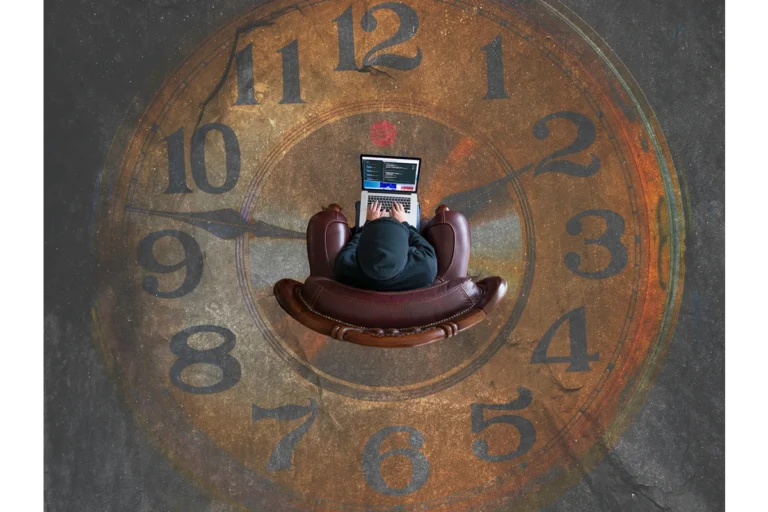
Time blindness is the ADHD experience of time as a feeling rather than a fact—until the deadline hits. Coaches help you make time visible: timers that show it passing, calendars that externalise what your brain won’t hold, and buffers that turn near-misses into normal arrivals. Offline.now’s therapists and coaches know this isn’t a willpower problem.

Blog posts related to Students

Parenting today means navigating a world of instant communication, artificial intelligence, and constant fear. While overprotection aims to keep children safe, it often undermines resilience and independence. Setbacks, risks, and unstructured play are essential for growth, yet many kids miss these opportunities. From summer camps to screen-free family dinners, intentional choices help children build confidence, social skills, and emotional strength preparing them for life’s challenges while preserving the closeness modern families value.
Time blindness is a common yet often misunderstood challenge for individuals with ADHD. It goes beyond poor time management: impacting focus, planning, and emotional regulation. The ADHD brain naturally gravitates toward immediate stimulation, making delayed rewards difficult to conceptualize. Research highlights that effective support requires a multifaceted approach, blending cognitive, behavioral, psychological, and environmental strategies. By reframing time perception and building layered systems, individuals with ADHD can better manage productivity and daily routines.


Is your calendar running your life instead of helping you manage it? In today’s always-on work culture, nonstop meetings and notifications can fuel stress, disrupt sleep, and drain focus. This guide unpacks the hidden cost of calendar anxiety and offers a simple solution: white-space planning. By intentionally leaving room to pause, reflect, and recharge, you can prevent burnout, sharpen your focus, and reclaim control of your time, one small block at a time.
Boredom isn’t wasted time, it’s your creativity engine. When you stop filling every lull with screens, the brain shifts into default mode daydreaming, where ideas collide and insights surface. This post reframes boredom as a healthy pause, unpacks the science of mind-wandering and creative incubation, and offers five micro-detox tactics from scheduled no-scroll moments to analog hobbies. Use your journal and turn idle minutes into spark sessions that revive focus and imagination every single day again.
Neck strain from remote work stems from forward head posture and rounded shoulders. Fix tech-neck in five minutes: set a 30-minute timer and cycle through seven equipment-free stretches like neck tilt and rotation, chin tuck, doorway chest opener, and wrist extensor release. Pair moves with file loading or coffee brew to lock habit. Consistent micro breaks relieve tension, restore posture, and boost focus more than occasional marathon yoga sessions for lasting comfort.
Cluttered inboxes steal focus and fuel email anxiety. This quick guide turns your cluttered inbox into a calm task list in just fifteen minutes a day. You will build smart filters to divert newsletters, batch processing into two scheduled windows, and apply the two minute rule to act, defer, or delete before messages snowball. With pings silenced and routines set, workers reclaim five hours a week, lower stress, and protect deep work after hours.