Stress Reduction Techniques

Stress won’t vanish, but your load can feel lighter. This page offers quick resets breath work, micro-breaks, movement, and kinder schedules. You’ll test what reliably brings you back to steady.

Blog posts related to Ready

Nights don’t unravel because you lack discipline, they unravel because your brain hasn’t had a clean transition out of the digital world. When screens stay on until sleep, your nervous system stays on, too. This 15-minute evening reset isn’t about rigid routines or perfection. It’s about creating a gentle boundary between stimulation and rest—so your body can exhale, your mind can settle, and sleep can actually do its job.
Mid-January can feel strangely flat once the holiday buzz fades. Motivation dips, scrolling increases, and life can feel muted—not because you’ve failed, but because your brain is recalibrating after a dopamine-rich season. This post explains the January slump through a nervous system lens and offers gentle, sensory resets that support mood and energy without willpower, pressure, or a forced “new year” overhaul.
If you have ADHD, procrastination isn’t a character flaw—it’s a nervous system response. This post breaks down why starting tasks can feel impossible, how emotion regulation and executive function play a role, and why willpower often fails. With practical, brain-friendly strategies like tiny starts and dopamine bridges, you’ll learn how to move from stuck to starting without shame. You don’t need more discipline. You need safer, kinder ways to begin.
Tired of platforms taking a huge cut of your income or blocking direct contact with clients? Offline.now offers a different path. Our Digital Wellness Directory helps clients find you—without commissions, algorithms, or platform control. You keep 100% of your earnings and maintain full autonomy while reaching people actively seeking help with ADHD + screens, digital anxiety, social media overwhelm, burnout, and device-related stress. Finally, visibility without losing ownership of your practice.
In a world of constant distraction, true presence has become a rare skill. Mindful connection isn’t about rejecting technology; it’s about reclaiming your attention. This post explores how intentional tech habits, single-task focus, and deep listening rebuild emotional presence and relational flow. Learn simple rituals: like phone-free meals and mindful check-ins that help you slow down, listen fully, and rediscover the joy of being truly with people, not just near them.
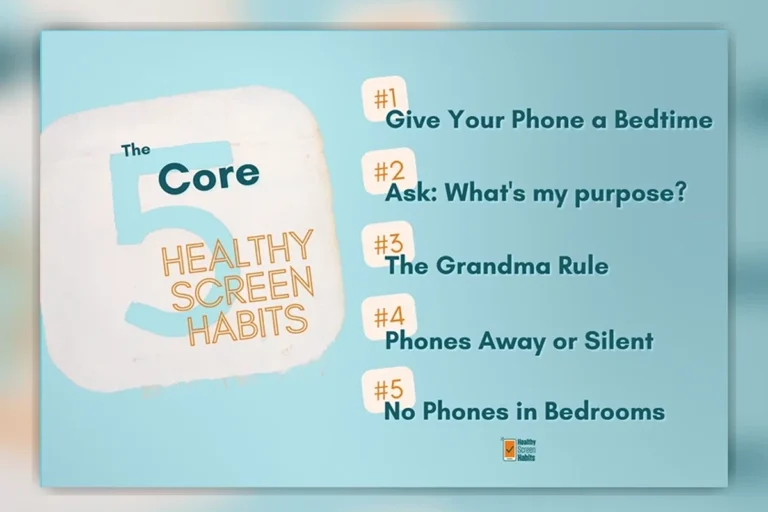
Self-trust is what transforms readiness into real change. It’s built not through intensity, but through integrity; keeping small promises to yourself until consistency becomes confidence. Each micro-win reinforces the belief, “I can rely on myself.” By creating simple, repeatable rules—like phone-free mornings or nightly tech cutoffs, you replace willpower with rhythm. Over time, these habits become second nature, turning motivation into momentum and self-trust into the foundation of lasting digital balance.