Digital Grief & Loss

Digital grief and loss is the specific weight of bereavement layered with digital residue — notifications from loved ones, frozen social accounts, unread messages, and AI-generated reminders that can delay or complicate mourning. Evidence-based supports include grief-focused therapy, Complicated Grief Treatment (CGT), meaning-centered therapy, and narrative therapy approaches. Offline.now lists a growing network of licensed therapists who work with digital grief and loss.

Blog posts related to Escapism

Mindless thumb-flicking and endless bad-news binges aren’t the same digital trap. Zombie scrolling is that detached, trance-like drift through random feeds, slowly draining attention. Doomscrolling is a negativity loop, chasing alarming headlines that spike anxiety. Our post unpacks the science behind both habits, shows why motivation and confidence matter, and offers quadrant-specific micro-wins - from timer tricks to values resets - to help night owl professionals reclaim focus, mood, and sustained energy daily without deleting your favorite social apps entirely.
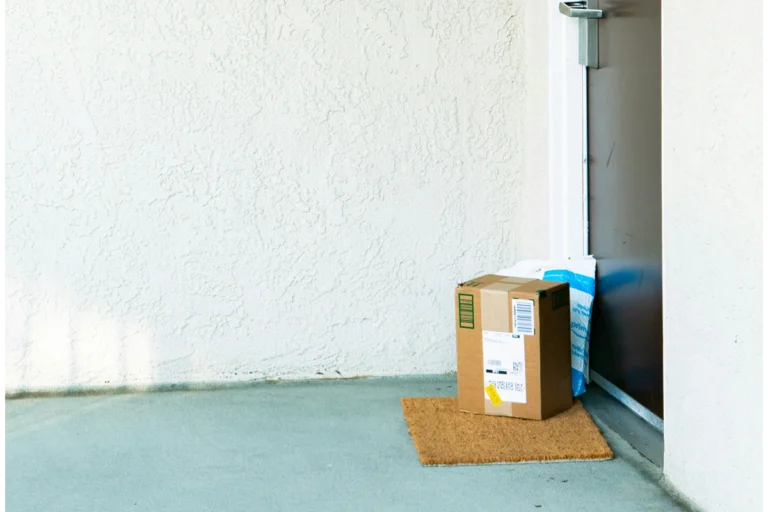
Online shopping is consuming - but your wallet (and well-being) don’t have to suffer. “Shop Less, Live More” breaks the doom-scroll-to-doorstep cycle with a science-backed, 7-step plan to reduce online shopping. Learn how 24-hour cool-off timers, ad-free inbox filters, and a 30-day no-buy challenge turn impulse clicks into mindful purchasing. We’ll show Millennials and Gen Z pros how to cut e-commerce spending, tame online shopping addiction, and swap retail therapy for richer offline joys-no guilt required.
Delete that addictive app and reclaim your time. Variable reward loops keep thumbs launching it before you notice. This five step plan starts with clarifying your why, exporting needed data, and logging out everywhere. Next, delete the app, lock re-downloads behind a passcode, and schedule offline replacements like walks or quick calls to friends. Finally, track urges and celebrate streaks. Extra friction plus compelling alternatives breaks the habit loop so focus, sleep, and mood rebound.
Infinite feeds spike dopamine, so ADHD brains slip into scroll trances quickly. Log one week of triggers, noting app, emotion, and time. Next install app timers, mute non-urgent pings, and schedule two free focus blocks daily. Curate accounts and replace impulse swipes with sixty second pause or water break. End each day reviewing mood versus minutes to spot progress. Consistent tweaks reclaim attention, lift sleep quality, and prove social apps can serve you, not siphon energy.
Finding digital wellness begins with acknowledging that tech is a tool, not a tyrant. Offline Now gathers neuroscience backed tactics that tame endless reels, midnight doomscrolls, and always on work pings. Explore guides on phone breakups, family tech pacts, blue light sleep fixes, and digital pomodoro focus bursts, then choose one tiny step tonight-like silencing notifications at dinner. Small, intentional habits cascade into calmer minds, deeper relationships, and productivity that feels good instead of frantic.
Feeling fine can mask subtle tech damage. Blue light chips away at deep sleep, pings fracture focus for twenty three lost minutes, and silent phones on tables erode conversation depth. This article invites curiosity with two experiments: phone free weekend mornings and no visible phones dinners. Record mood, clarity, and connection afterwards to surface hidden costs. Awareness, not guilt, is the goal. Once you notice energy leaks, natural motivation emerges to dial screens back slowly.