Streaming binge compulsion is the hard-to-stop consumption of serialized content that eats into sleep, work, or presence — reinforced by autoplay, cliffhangers, and algorithmically tuned next-episode prompts. Evidence-based supports include CBT, stimulus-control techniques, and motivational interviewing. Offline.now lists a growing network of licensed therapists who work with streaming binge compulsion.
Built-in limits, blockers, friction apps, physical locks, focus timers, trackers and a plan with no tool, compared on four questions the Offline.now Matrix supplies: does it change the environment, leave a skill, add a system, and have evidence.
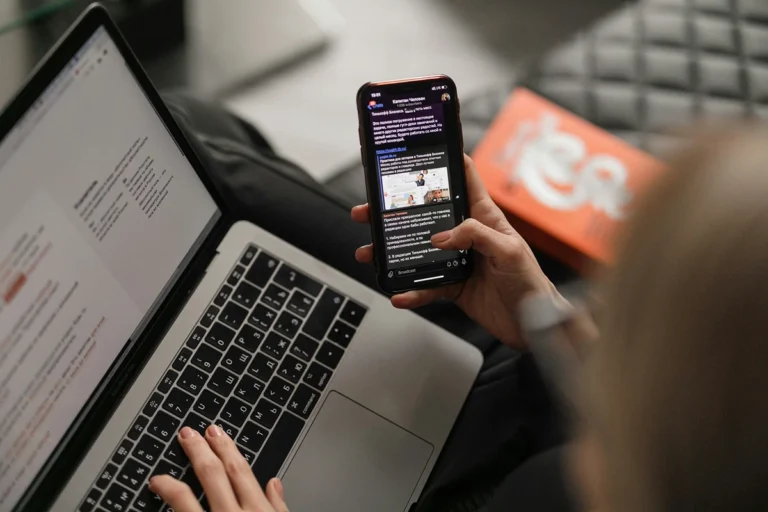
Constant phone use can drain more than your time, it can fragment your attention, increase low-grade stress, and interfere with sleep. For high-achieving women balancing demanding careers, caregiving, and constant reachability, a few practical boundaries can make a meaningful difference without requiring a dramatic digital detox.
ADHD affects an estimated 6% of university students, and task initiation is one of the most common places it shows up. Assignments don't stall because students don't understand the material or don't care. They stall because starting is genuinely harder for an ADHD brain, and a phone is the most available, most immediate alternative in the room.
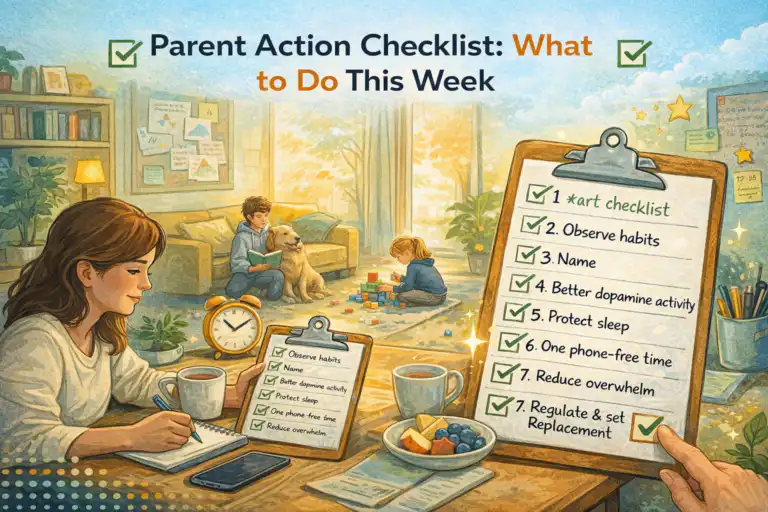
You don't need to overhaul everything at once. This practical checklist gives parents eight small, consistent actions to take this week - from observing patterns before intervening, to protecting sleep, to co-regulating before setting limits. Start small. Stay steady.
Many arguments about phones in relationships go in circles: one partner feels ignored, the other feels criticized, and nothing really changes. The Later List is a simple shared ritual that helps interrupt that cycle. Instead of confronting the issue mid-scroll, couples jot concerns down and revisit them later when both people are calmer. This small structure reduces defensiveness, lowers conflict, and creates space for more honest conversations about connection and attention.
If you keep picking up your phone without meaning to, you’re not lacking discipline—you’re stuck in a loop. This post breaks down why compulsive checking happens and introduces a simple 3-part framework to interrupt it: recognize the trigger, insert one small pause, and add gentle friction to the environment. With practical scripts and a 24-hour experiment, you’ll have something concrete to try tonight—no shame, no detox required.